
Basic Fetal Monitoring Course Online
Basic Fetal Monitoring Course Online - Identify fetal heart rate baseline characteristics and uterine activity. The course modules covers key elements of fetal and maternal assessment, systemic approaches to fetal monitoring, tracing analysis, and interpretation, electronic monitoring instrumentation, along with principles of documentation, communication and risk management. 97% of students who participated in awhonn’s fetal heart monitoring program stated it would improve their ability to care for patients. How to locate and auscultate the fetal heart rate. This course provides an introduction to basic fetal monitoring. Demonstrate the use of the national institute of child health and human development (nichd) monitoring definitions. Discuss advantages/disadvantages of different monitoring modalities. Review fhr strips and make appropriate nursing interventions. The course covers key elements of fetal and maternal assessment, systemic approaches to fetal monitoring, tracing analysis, and interpretation, electronic monitoring instrumentation, along with principles of documentation, communication, and risk management. The course covers topics such as: Define four components of uterine contractions. Explain the instrumentation for fetal heart and uterine activity monitoring. Interpret results of common antenatal testing. This course provides an introduction to basic fetal monitoring. Participants will have the ability to review the proper methods to monitor and interpret fetal heart rates by using nichd terminology. The basic fetal heart monitoring course is a comprehensive introductory program tailored for individuals who are new to fetal heart monitoring. The course covers key elements of fetal and maternal assessment, systemic approaches to fetal monitoring, tracing analysis, and interpretation, electronic monitoring instrumentation, along with principles of documentation, communication and risk management. Awhonn's introduction to fetal heart monitoring course is an online program that provides a comprehensive introduction to fetal heart monitoring. Discuss advantages/disadvantages of different monitoring modalities. 97% of students who participated in awhonn’s fetal heart monitoring program stated it would improve their ability to care for patients. Awhonn's introduction to fetal heart monitoring course is an online program that provides a comprehensive introduction to fetal heart monitoring. The course covers key elements of fetal and maternal assessment, systemic approaches to fetal monitoring, tracing analysis, and interpretation, electronic monitoring instrumentation, along with principles of documentation, communication, and risk management. This introductory course provides a basic level of understanding. Topics include equipment, indications for monitoring, strip interpretation, documentation and nursing interventions during antepartum and intrapartum periods. Participants will have the ability to review the proper methods to monitor and interpret fetal heart rates by using nichd terminology. By tracking the heart rate, your provider can identify if it's too high, too low or fluctuating abnormally. How to interpret electronic. The course modules covers key elements of fetal and maternal assessment, systemic approaches to fetal monitoring, tracing analysis, and interpretation, electronic monitoring instrumentation, along with principles of documentation, communication and risk management. Fetal monitoring measures the speed and pattern of your baby's heartbeat, with the average heart rate ranging between 110 and 160 beats per minute. This introductory course provides. This introductory course provides a basic level of understanding and competence in electronic fetal heart monitoring for nurses new to women's services. Discuss advantages/disadvantages of different monitoring modalities. Explain the instrumentation for fetal heart and uterine activity monitoring. The course modules covers key elements of fetal and maternal assessment, systemic approaches to fetal monitoring, tracing analysis, and interpretation, electronic monitoring. How to interpret electronic fetal heart rate tracings Explain the instrumentation for fetal heart and uterine activity monitoring. This course provides an introduction to basic fetal monitoring. Awhonn's introduction to fetal heart monitoring course is an online program that provides a comprehensive introduction to fetal heart monitoring. The course modules covers key elements of fetal and maternal assessment, systemic approaches. This program provides a basic introduction to fetal heart monitoring. Intrapartum fetal heart rate monitoring is used to assess fetal wellbeing throughout labour and contributes to decisions about clinical management and intervention [].the world health organization (who) and other professional healthcare bodies [2,3,4,5], including the united kingdom’s (uk) national institute for health and care excellence (nice) [] recommend. Demonstrate the. Explain the instrumentation for fetal heart and uterine activity monitoring. Define four components of uterine contractions. The course covers key elements of fetal and maternal assessment, systemic approaches to fetal monitoring, tracing analysis, and interpretation, electronic monitoring instrumentation, along with principles of documentation, communication, and risk management. The course covers topics such as: This course provides an introduction to basic. Identify fetal heart rate baseline characteristics and uterine activity. By tracking the heart rate, your provider can identify if it's too high, too low or fluctuating abnormally. The course covers key elements of fetal and maternal assessment, systemic approaches to fetal monitoring, tracing analysis, and interpretation, electronic monitoring instrumentation, along with principles of documentation, communication, and risk management. Master electronic. Identify fetal heart rate baseline characteristics and uterine activity. Intrapartum fetal heart rate monitoring is used to assess fetal wellbeing throughout labour and contributes to decisions about clinical management and intervention [].the world health organization (who) and other professional healthcare bodies [2,3,4,5], including the united kingdom’s (uk) national institute for health and care excellence (nice) [] recommend. Participants will have. Demonstrate the leopold’s maneuver to identify fetal position. The course covers key elements of fetal and maternal assessment, systemic approaches to fetal monitoring, tracing analysis, and interpretation, electronic monitoring instrumentation, along with principles of documentation, communication and risk management. Awhonn's introduction to fetal heart monitoring course is an online program that provides a comprehensive introduction to fetal heart monitoring. Identify. Discuss advantages/disadvantages of different monitoring modalities. Explain the instrumentation for fetal heart and uterine activity monitoring. Discuss the appropriate interventions for fhr patterns. Demonstrate the use of the national institute of child health and human development (nichd) monitoring definitions. Discuss the appropriate interventions for fhr patterns. Identify fetal heart rate baseline characteristics and uterine activity. 97% of students who participated in awhonn’s fetal heart monitoring program stated it would improve their ability to care for patients. The course modules covers key elements of fetal and maternal assessment, systemic approaches to fetal monitoring, tracing analysis, and interpretation, electronic monitoring instrumentation, along with principles of documentation, communication and risk management. This program provides a basic introduction to fetal heart monitoring. The course covers topics such as: Define four components of uterine contractions. The course covers key elements of fetal and maternal assessment, systemic approaches to fetal monitoring, tracing analysis, and interpretation, electronic monitoring instrumentation, along with principles of documentation, communication and risk management. In this session, participants will acquire essential skills for conducting fetal surveillance using electronic fetal monitoring. Identify fetal heart rate baseline characteristics and uterine activity. Participants will have the ability to review the proper methods to monitor and interpret fetal heart rates by using nichd terminology. This introductory course provides a basic level of understanding and competence in electronic fetal heart monitoring for nurses new to women's services.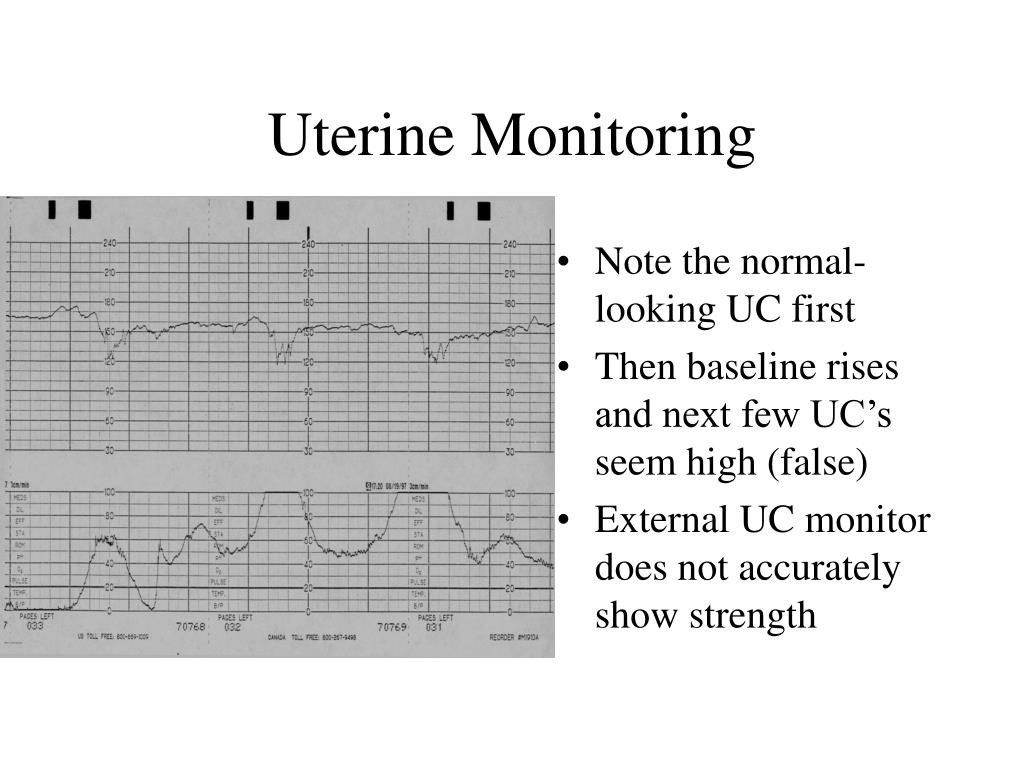
PPT Basic Fetal Monitoring PowerPoint Presentation, free download

Fillable Online Basic Fetal Monitoring health and fitness Fax Email

Fetal Monitoring Online Nursing Course Lecturio

Basic fetal monitoring sheet1 RNUR 138 Studocu
Basic Fetal Monitoring PDF

Fetal Monitoring Course Course.rjuuc.edu.np
Shop Bundle Birth Nurses

SOLUTION Fetal monitoring Studypool
Basic Fetal Monitoring PDF Childbirth Placenta

Basic Fetal Monitoring Part 2 YouTube
Intrapartum Fetal Heart Rate Monitoring Is Used To Assess Fetal Wellbeing Throughout Labour And Contributes To Decisions About Clinical Management And Intervention [].The World Health Organization (Who) And Other Professional Healthcare Bodies [2,3,4,5], Including The United Kingdom’s (Uk) National Institute For Health And Care Excellence (Nice) [] Recommend.
Master Electronic Fetal Monitoring With Confidence.
By Tracking The Heart Rate, Your Provider Can Identify If It's Too High, Too Low Or Fluctuating Abnormally.
Fetal Monitoring Measures The Speed And Pattern Of Your Baby's Heartbeat, With The Average Heart Rate Ranging Between 110 And 160 Beats Per Minute.
Related Post:

