
Course Of Construction Insurance For Homeowner
Course Of Construction Insurance For Homeowner - Course of construction (coc) insurance, also known as builder’s risk insurance, is a unique form of property coverage designed to protect contractors, developers, and property owners over the course of a renovation or other type of residential or commercial construction project. Builder's risk insurance is construction insurance for homeowners. In this blog, we’ll delve into the specifics of both builders’ risk insurance and course of construction insurance, clarifying their unique features and helping you make informed decisions for your construction project. Builders risk coverage, also known as course of construction insurance and dwelling under construction insurance, varies considerably by insurance company and by the project. If the contractor fails to meet the terms, the bond protects the owner from financial loss. New construction insurance for homeowners differs from a standard homeowners insurance policy. Course of construction insurance (coc), also known as builder’s risk insurance, is designed to protect owners and contractors from the devastating impact of fires, floods, vandalism, theft, and other unwelcome accidents to a construction project. Increasing costs for construction, appliances and other household items stemming from new tariffs on imported goods threaten to raise home insurance premiums by making it more expensive for. Course of construction insurance is a specialized property insurance policy designed to protect construction projects during their development phase. To make sure you get the coverage you need, read. Course of construction insurance, also known as contractor's all risk insurance (car), typically provides protection for contractors. Why is builder's risk insurance important? Builder's risk insurance is also called course of construction insurance. During construction, anything from fire, wind, theft or vandalism could result in damages and losses that severely impact your bottom line. Builders risk coverage, also known as course of construction insurance and dwelling under construction insurance, varies considerably by insurance company and by the project. Builder’s risk insurance, also known as course of construction insurance, is a specialized policy designed to cover a building project during the construction phase. (subcontractors must carry their own coc insurance). The application also includes provisions to add theft of personal property coverage through. It provides coverage for structures under construction for damages related to fire, theft, vandalism, and other risks. Course of construction insurance (coc), also known as builder’s risk insurance, is designed to protect owners and contractors from the devastating impact of fires, floods, vandalism, theft, and other unwelcome accidents to a construction project. Builder's risk insurance is construction insurance for homeowners. Builders risk insurance, or course of construction insurance, is insurance coverage for buildings and other structures while they are under construction. Most agencies provide commercial insurance policies to cover your new house while it is been built. Generally, it covers damage sustained by: Builder's risk insurance is also called course of construction. Materials supplies equipment onsite while your home is under construction This temporary coverage protects the building, materials, and equipment from physical damage due to covered perils such as fire, vandalism, or severe weather. Builder's risk insurance is also called course of construction insurance. Course of construction insurance, also known as contractor's all risk insurance (car), typically provides protection for contractors.. Builder's risk insurance is construction insurance for homeowners. Why is builder's risk insurance important? The application also includes provisions to add theft of personal property coverage through. During construction, anything from fire, wind, theft or vandalism could result in damages and losses that severely impact your bottom line. It provides coverage for structures under construction for damages related to fire,. Another name for this type of insurance policy is known as “course of construction” insurance, which is its own specialized type of property insurance that helps protect buildings under construction. Materials supplies equipment onsite while your home is under construction In this blog, we’ll delve into the specifics of both builders’ risk insurance and course of construction insurance, clarifying their. For homeowners, navigating the complexities of construction insurance can be overwhelming. This temporary coverage protects the building, materials, and equipment from physical damage due to covered perils such as fire, vandalism, or severe weather. Builder’s risk insurance, also known as course of construction insurance, is a specialized type of property insurance that helps protect buildings under construction. Builder’s risk insurance. It acts as a financial safeguard, covering potential losses that may occur from the project's inception to completion. Course of construction insurance, also known as builder's risk insurance, provides coverage for damage to construction projects caused by weather, fire, vandalism, or theft. Course of construction (coc) insurance, also known as builder’s risk insurance, is a unique form of property coverage. (subcontractors must carry their own coc insurance). Most builder's risk insurance agreements also have core coverages that extend to both installed building materials and those stored on or off the project site. Another name for this type of insurance policy is known as “course of construction” insurance, which is its own specialized type of property insurance that helps protect buildings. Most agencies provide commercial insurance policies to cover your new house while it is been built. Builders risk coverage, also known as course of construction insurance and dwelling under construction insurance, varies considerably by insurance company and by the project. Builder's risk insurance is also called course of construction insurance. To make sure you get the coverage you need, read.. Materials supplies equipment onsite while your home is under construction Builder's risk insurance is construction insurance for homeowners. In this blog, we’ll delve into the specifics of both builders’ risk insurance and course of construction insurance, clarifying their unique features and helping you make informed decisions for your construction project. Course of construction insurance (coc), also known as builder’s risk. There are three main kinds of coverage available in builder’s risk policies: Course of construction insurance (coc), also known as builder’s risk insurance, is designed to protect owners and contractors from the devastating impact of fires, floods, vandalism, theft, and other unwelcome accidents to a construction project. If the contractor fails to meet the terms, the bond protects the owner. It covers theft of materials, vandalism, fire and other risks during the building or remodeling of a home. Course of construction insurance, also known as builder's risk insurance, provides coverage for damage to construction projects caused by weather, fire, vandalism, or theft. It’s essential in helping protect construction projects, but can be complex and often misunderstood. Builder’s risk insurance, also known as course of construction insurance, is a specialized type of property insurance that helps protect buildings under construction. Builder's risk insurance — also called “course of construction insurance” — provides coverage for buildings that are currently under construction. Course of construction (coc) insurance, also known as builder’s risk insurance, is a unique form of property coverage designed to protect contractors, developers, and property owners over the course of a renovation or other type of residential or commercial construction project. Increasing costs for construction, appliances and other household items stemming from new tariffs on imported goods threaten to raise home insurance premiums by making it more expensive for. Most agencies provide commercial insurance policies to cover your new house while it is been built. The right coverage depends on your own situation, here are some considerations. In this blog, we’ll delve into the specifics of both builders’ risk insurance and course of construction insurance, clarifying their unique features and helping you make informed decisions for your construction project. The application also includes provisions to add theft of personal property coverage through. To make sure you get the coverage you need, read. For example, let's say you are nearing completion of an apartment building but vandals break in and pull the fire sprinklers, flooding the building. Uncover why home renovation insurance offers the best homeowners coverage during the course of construction. Three main considerations for a course of construction (coc) policy? Most builder's risk insurance agreements also have core coverages that extend to both installed building materials and those stored on or off the project site.
12 Types of Construction Insurance for Your Business Bigrentz
.webp?width=1080&height=1080&name=What is course of construction insurance (1).webp)
6 Course Of Construction Insurance Questions, Answered

Course of Construction Insurance Builders Risk Netsurance Canada

What is Course of Construction Insurance? Citizens General Insurance

Builders Risk Insurance aka Course of Construction Insurance Get Help
What Is Builders Risk Insurance?

Course of Construction Insurance Builders Risk Netsurance Canada

Understanding Builders Risk Insurance vs Course of Construction

Course of construction insurance. A complete guide
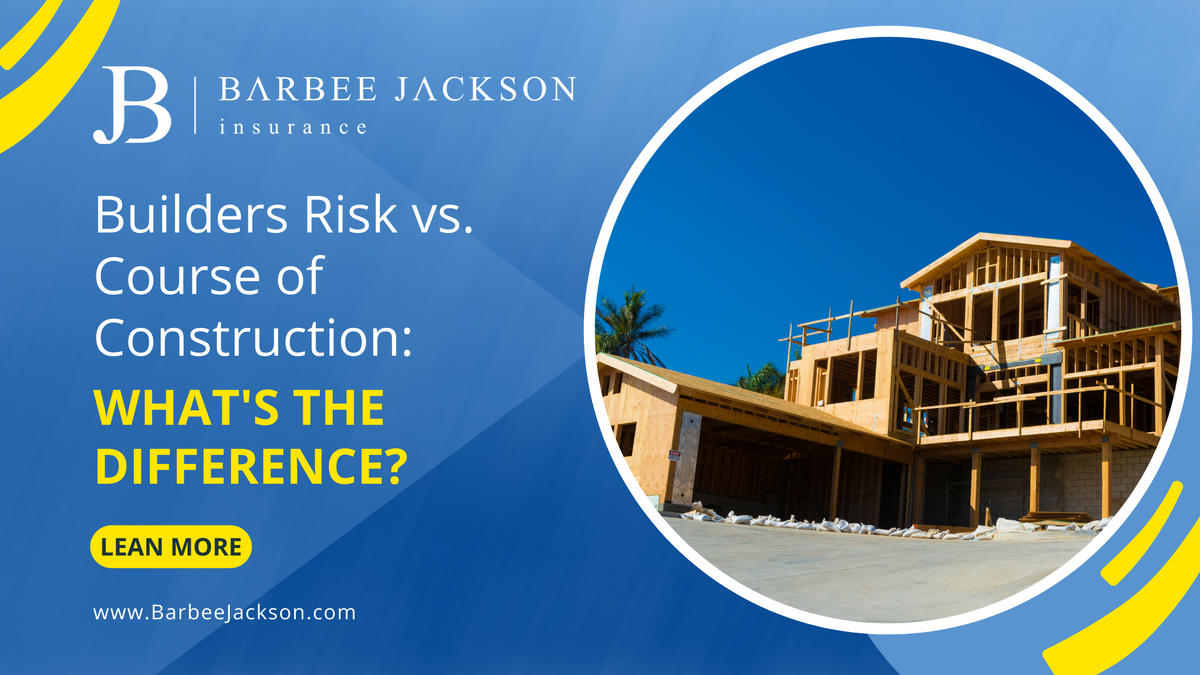
Builders Risk vs. Course of Construction What's the Difference
Tariffs On Construction Materials Could Push The Average Homeowner's Annual Insurance Premium Up To $3,626 By The End Of The Year, Insurify Projects
Builder’s Risk Insurance Policies, Also Known As Course Of Construction Insurance Policies, Can Vary Widely From One Provider To Another.
What Does Builder's Risk Cover?
Course Of Construction Insurance Is A Specialized Property Insurance Policy Designed To Protect Construction Projects During Their Development Phase.
Related Post:
