
Course Sequencing Tool
Course Sequencing Tool - Students who matriculated in fall 2018 or later can use the course sequencing tool (cst) as an online, interactive program planning sheet to explore course sequencing plans, track hub units, and plan schedules for future semesters. Using the ‘operative plan,’ students chart their progress term by term and can plan for future terms and different scenarios using draft plans. Ai tools can adapt courses based on learners’ performance, interests, or knowledge gaps. Students can chart their progress semester by semester, and plan for future semesters. The undergraduate programs office is your academic support system; Educators spend less time on administrative duties and more time engaging directly with learners. The course sequencing tool (cst) tool is an interactive version of the program planning sheets. Learn more about mapping tools. Easily track your progress & get live updates on how many credits you have to. The results can be used to inform student decisions, modify course recommendations, and even modify course prerequisites. Learn more about mapping tools. Utilizing the backward design process, a course map is a representation of how you intend to approach course and module student learning outcomes you have identified for your course. This lesson guides you through using the course structure function to build your initial course outline, including updating module and lesson names, adjusting the order in which the learning objectives are addressed, adding details about each module and lesson, and adding instructional activity types and brief descriptions. An organized sequence of courses leading to a defined objective, a degree, a certificate, a diploma, a license, or transfer to another institution of higher education. The course sequencing tool (cst) will help you customize your path through the requirements of your degree program, and allow you to chart your progress semester by semester. Students can chart their progress semester by semester, and plan for future semesters. Using the ‘operative plan,’ students chart their progress term by term and can plan for future terms and different scenarios using draft plans. The course sequencing tool is designed to help students customize and visualize their sequential path through the requirements of the eng degree programs. The activity should link to previous concepts and/or prepare students for the next concept. The results can be used to inform student decisions, modify course recommendations, and even modify course prerequisites. Students who matriculated in fall 2018 or later can use the course sequencing tool (cst) as an online, interactive program planning sheet to explore course sequencing plans, track hub units, and plan schedules for future semesters. Using edtech tools allows students to develop digital literacy skills, take ownership of their learning, and gain experience with new and emerging technologies. Ai. Course maps are a visual tool used to design your course. This lesson guides you through using the course structure function to build your initial course outline, including updating module and lesson names, adjusting the order in which the learning objectives are addressed, adding details about each module and lesson, and adding instructional activity types and brief descriptions. Curriculum mapping. It is designed to help students customize and visualize their path through the requirements of the eng degree programs, semester by semester. The course sequencing tool (cst) tool is designed to help students customize and visualize their path through the requirements of the eng degree programs. The edm lab's cgan, grade analysis, and course sequence analysis tools have been used. The seq_tool is a python package that implements the generalized sequential pattern (gsp) algorithm. This plan will then be reviewed/approved by the faculty advisor, after which time students will receive an email with a link to the advisor evaluation & program assessment. The course sequencing tool (cst) will help you customize your path through the requirements of your degree program,. Educators spend less time on administrative duties and more time engaging directly with learners. The edm lab's cgan, grade analysis, and course sequence analysis tools have been used in numerous research studies to uncover insights about student performance and course sequencing. Easily track your progress & get live updates on how many credits you have to. Keywords data mining, education,. Using edtech tools allows students to develop digital literacy skills, take ownership of their learning, and gain experience with new and emerging technologies. How does course sequencing inform the program map? Students can chart their progress semester by semester, and plan for future semesters. Easily track your progress & get live updates on how many credits you have to. Whether. The undergraduate programs office is your academic support system; Course maps are a visual tool used to design your course. The course sequencing tool (cst) will help you customize your path through the requirements of your degree program, and allow you to chart your progress semester by semester. The results can be used to inform student decisions, modify course recommendations,. Course mapping involves the systematic planning of course modules, topics, materials, and activities before their integration into a learning management system (lms). How does course sequencing inform the program map? Keywords data mining, education, course sequencing, student performance 1. Using edtech tools allows students to develop digital literacy skills, take ownership of their learning, and gain experience with new and. This plan will then be reviewed/approved by the faculty advisor, after which time students will receive an email with a link to the advisor evaluation & program assessment. This lesson guides you through using the course structure function to build your initial course outline, including updating module and lesson names, adjusting the order in which the learning objectives are addressed,. The undergraduate programs office is your academic support system; Learn more about mapping tools. This lesson guides you through using the course structure function to build your initial course outline, including updating module and lesson names, adjusting the order in which the learning objectives are addressed, adding details about each module and lesson, and adding instructional activity types and brief. By mapping a course beforehand, educators can identify gaps in content, ensure a variety of learning activities, and align assessments with learning objectives, promoting a. Students can chart their progress semester by semester, and plan for future semesters. Utilizing the backward design process, a course map is a representation of how you intend to approach course and module student learning outcomes you have identified for your course. The results can be used to inform student decisions, modify course recommendations, and even modify course prerequisites. This lesson guides you through using the course structure function to build your initial course outline, including updating module and lesson names, adjusting the order in which the learning objectives are addressed, adding details about each module and lesson, and adding instructional activity types and brief descriptions. Learn more about mapping tools. Easily track your progress & get live updates on how many credits you have to. Students who matriculated in fall 2018 or later can use the course sequencing tool (cst) as an online, interactive program planning sheet to explore course sequencing plans, track hub units, and plan schedules for future semesters. This plan will then be reviewed/approved by the faculty advisor, after which time students will receive an email with a link to the advisor evaluation & program assessment. Get accurate data on courses you need to complete your degree requirements. The course sequencing tool (cst) will help you customize your path through the requirements of your degree program, and allow you to chart your progress semester by semester. An organized sequence of courses leading to a defined objective, a degree, a certificate, a diploma, a license, or transfer to another institution of higher education. How does course sequencing inform the program map? The activity should link to previous concepts and/or prepare students for the next concept. Course mapping involves the systematic planning of course modules, topics, materials, and activities before their integration into a learning management system (lms). Using edtech tools allows students to develop digital literacy skills, take ownership of their learning, and gain experience with new and emerging technologies.
CTE Course Sequence Career Technical Education Serrano High School
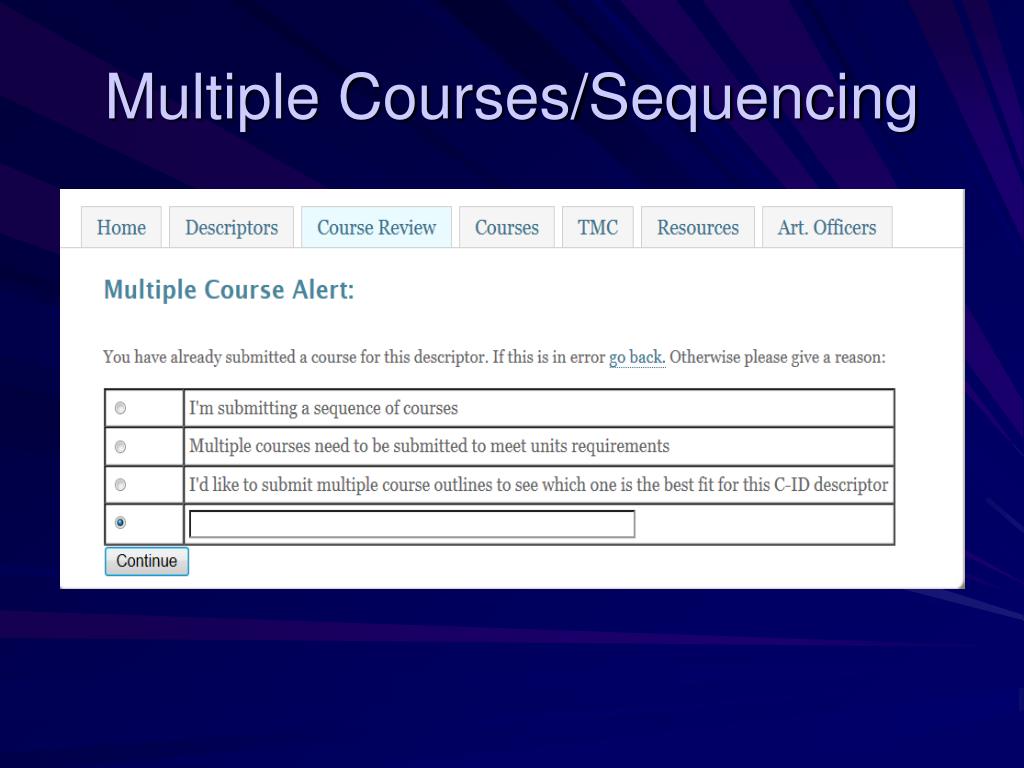
PPT Submitting Course Outlines for CID Designation PowerPoint
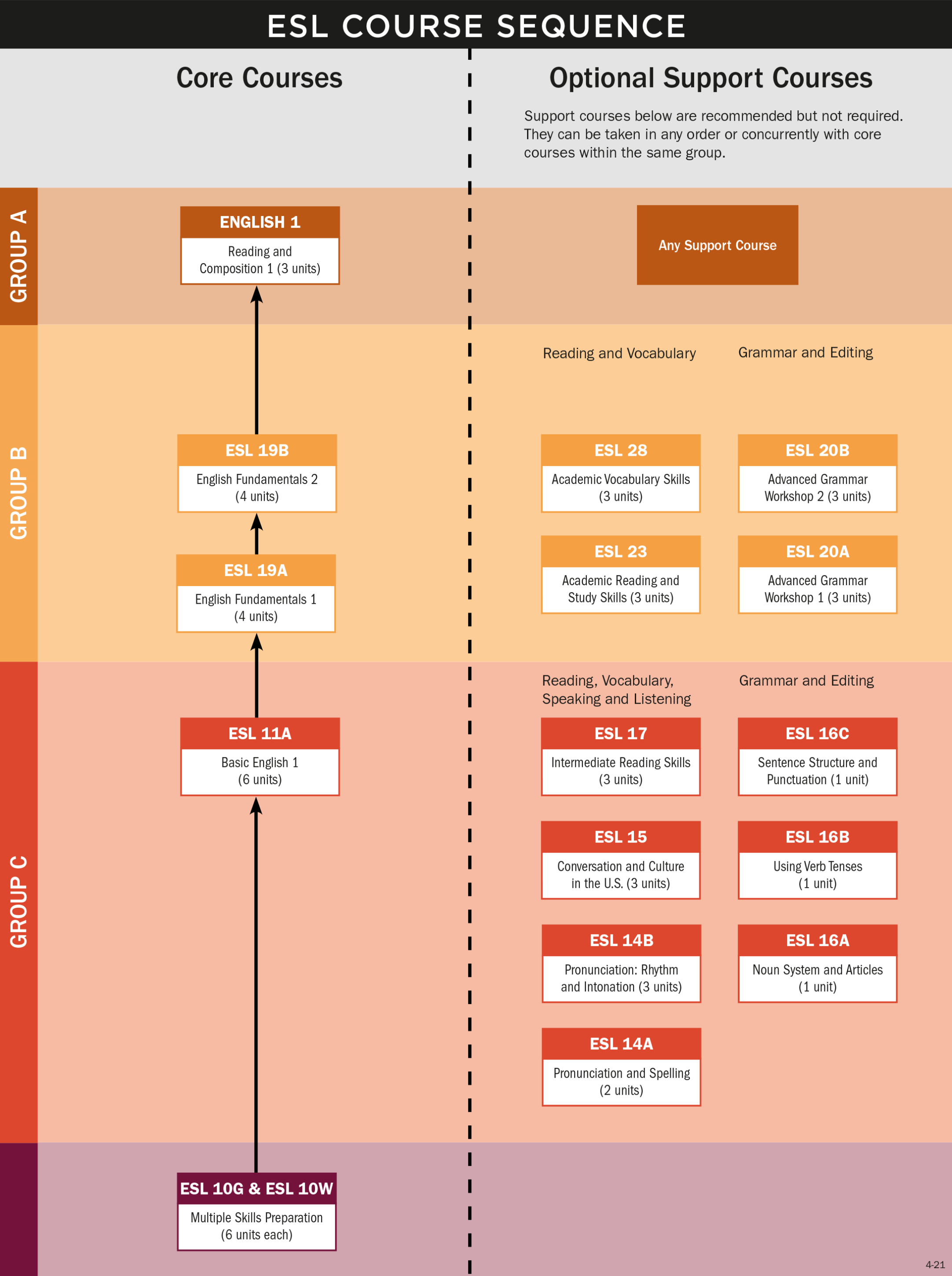
ESL Course Sequence Santa Monica College
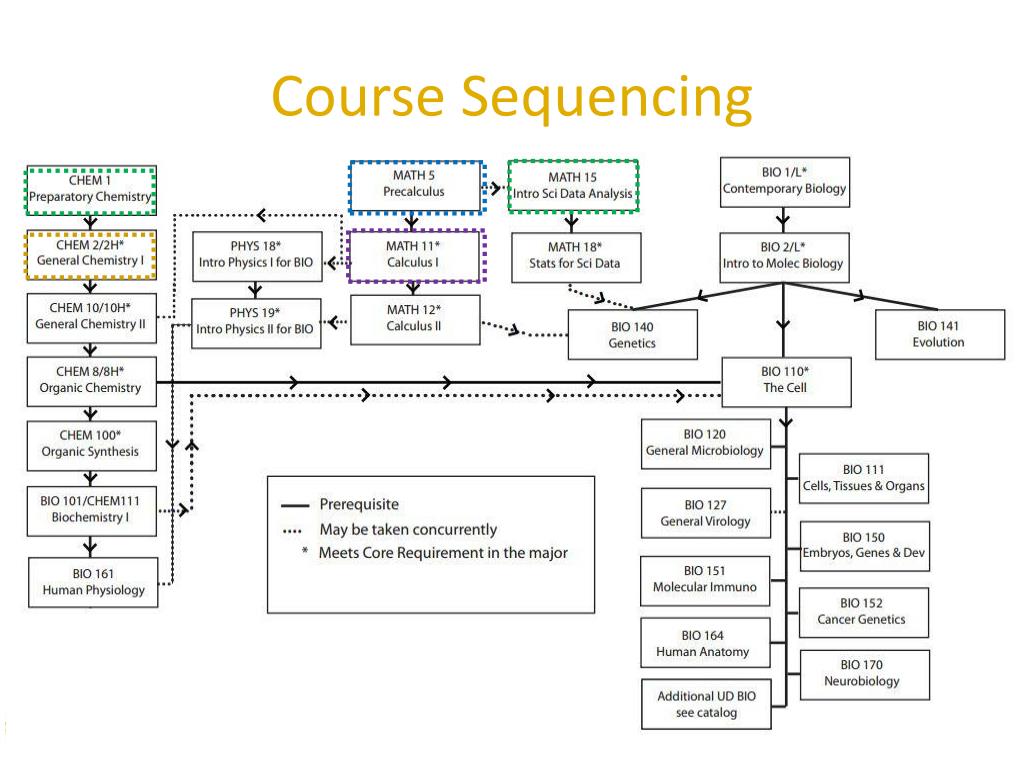
PPT Student Registration PowerPoint Presentation, free download ID

Sample Course Sequencing

Standard Course Sequence Brac University

Flowcharts and Sequence Diagrams for eLearning & Instructional Design

Computer Science Secondary Education Course Sequence Chart

Boston University College of Engineering Course Sequencing Tool
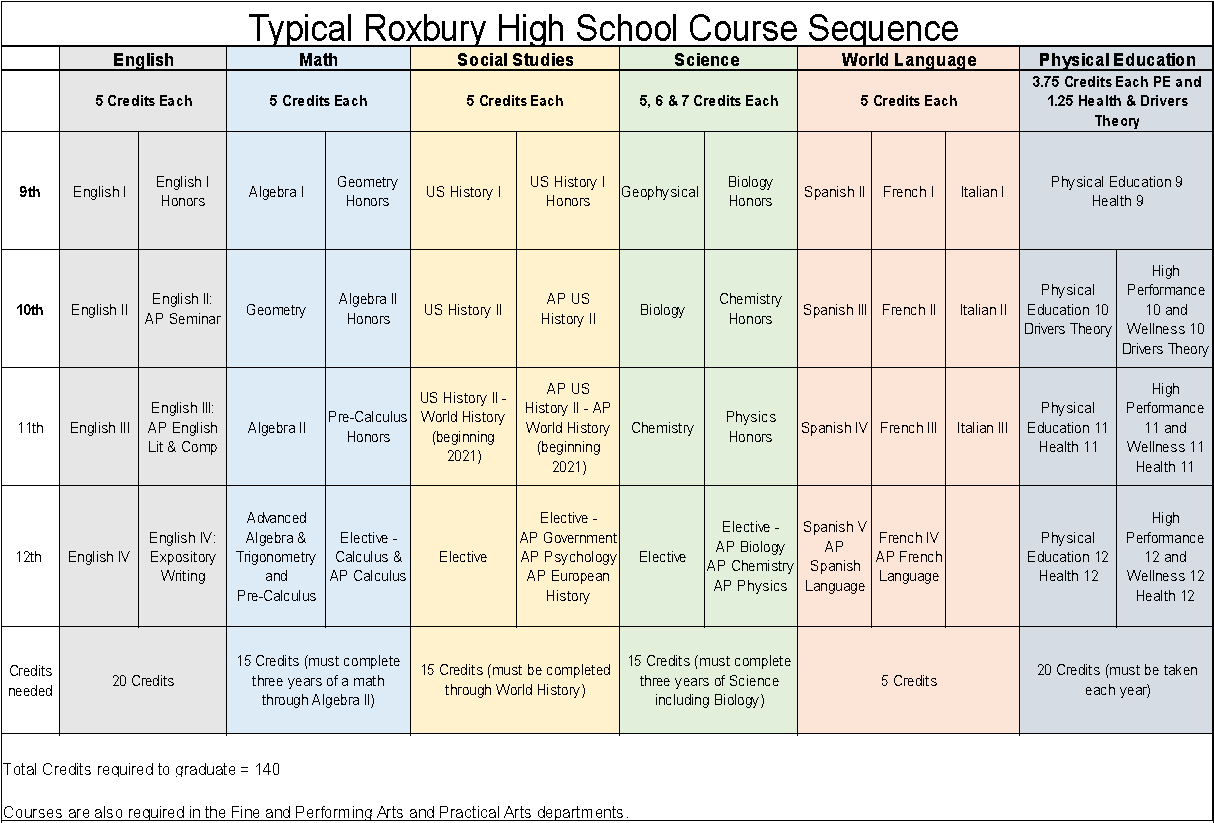
Program of Studies / Typical Course Sequence
You Will Be Able To Explore Alternative Course Sequencing Plans, And Keep Track Of The Hub Units You Earn Through The Hub Electives You Choose.
The Course Sequencing Tool (Cst) Tool Is An Interactive Version Of The Program Planning Sheets.
Educators Spend Less Time On Administrative Duties And More Time Engaging Directly With Learners.
Curriculum Mapping Software Is An Excellent Tool For Promoting Student Learning & Encouraging Faculty Awareness & Collaboration.
Related Post: