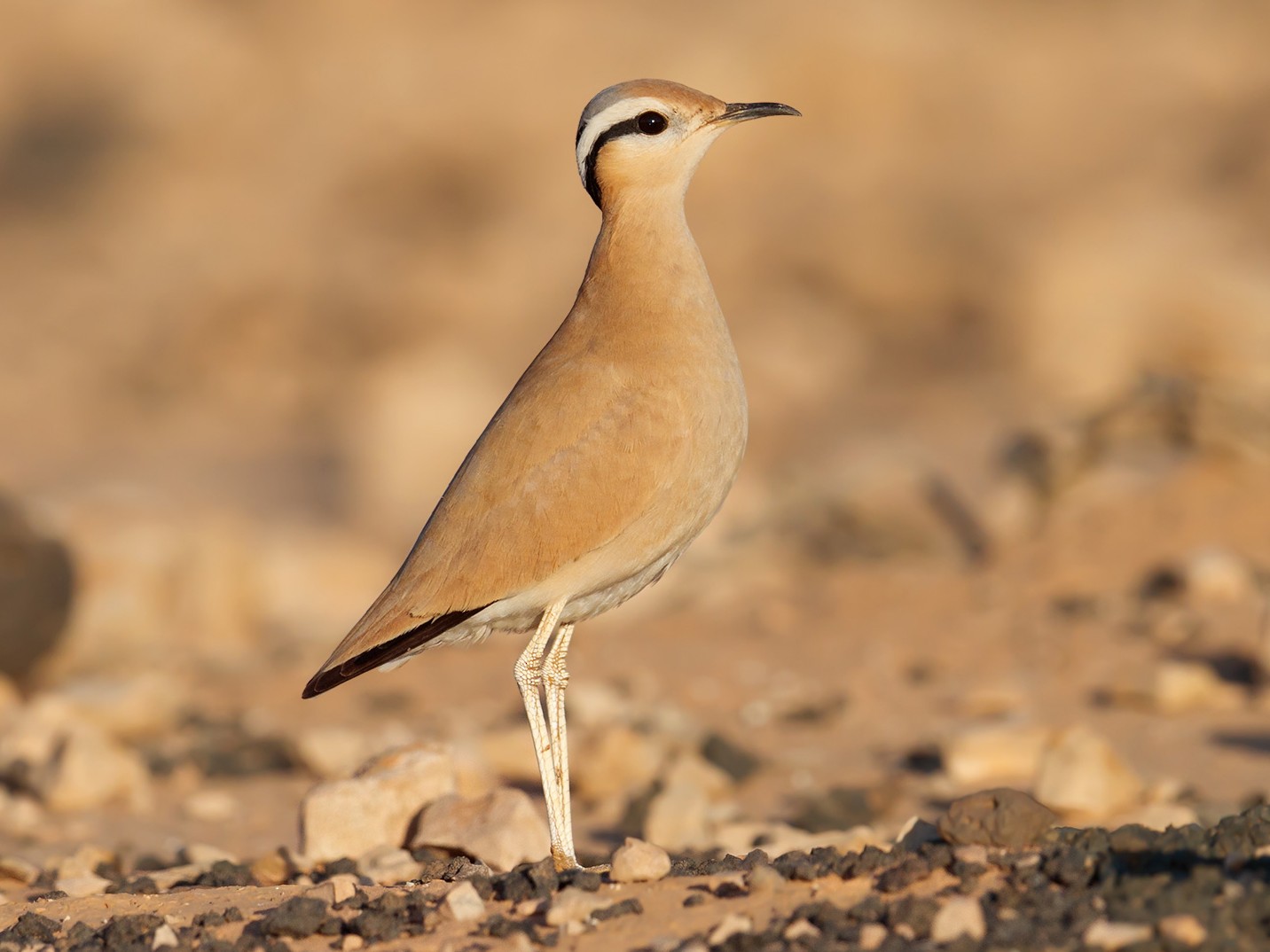
Courser Bird
Courser Bird - These tawny birds run across the ground in spurts, stopping with a jolt every so often to check their progress, or to see if they’ve startled up any insect prey. They have long legs, short wings and long pointed bills which curve downwards. Males in the west have a red whisker while those in the east have a black whisker. The coursers are a subfamily (cursoriinae) of birds which together with the pratincoles make up the family glareolidae. Free global bird guide with photos, sounds, maps, and more. Its name, derived from the latin. Both parts of the scientific name derive from latin cursor , “runner”, from currere ,. Dramatically patterned in flight with black flight feathers and underwings. The indian courser (cursorius coromandelicus) is a distinctive species of courser found primarily in the plains enveloped by the ganges and indus river systems. Males in the east have a red nape, a black whisker, and yellow shafts on the flight and tail feathers. They have long legs, short wings and long pointed bills which curve downwards. Their most unusual feature for birds classed as waders is that they inhabit deserts and similar arid regions. The coursers are a subfamily (cursoriinae) of birds which together with the pratincoles make up the family glareolidae. Dramatically patterned in flight with black flight feathers and underwings. Found in savannah and woodland, including miombo and. Free global bird guide with photos, sounds, maps, and more. Both parts of the scientific name derive from latin cursor , “runner”, from currere ,. These tawny birds run across the ground in spurts, stopping with a jolt every so often to check their progress, or to see if they’ve startled up any insect prey. They have cryptic plumage and crouch down when alarmed to avoid detectio… Males in the west have a red whisker while those in the east have a black whisker. Both parts of the scientific name derive from latin cursor , “runner”, from currere ,. Large courser with dark brown upperparts and a white belly. These tawny birds run across the ground in spurts, stopping with a jolt every so often to check their progress, or to see if they’ve startled up any insect prey. The coursers are a subfamily. Males in the west have a red whisker while those in the east have a black whisker. They have long legs, short wings and long pointed bills which curve downwards. Dramatically patterned in flight with black flight feathers and underwings. Identify the birds you see or hear with merlin bird id. Free global bird guide with photos, sounds, maps, and. The coursers are a subfamily (cursoriinae) of birds which together with the pratincoles make up the family glareolidae. Found in savannah and woodland, including miombo and. These tawny birds run across the ground in spurts, stopping with a jolt every so often to check their progress, or to see if they’ve startled up any insect prey. The indian courser (cursorius. The indian courser (cursorius coromandelicus) is a distinctive species of courser found primarily in the plains enveloped by the ganges and indus river systems. Both parts of the scientific name derive from latin cursor , “runner”, from currere ,. In birds of the world (j. The indian courser (cursorius coromandelicus) is a species of courser found in mainland south asia,. Large courser with dark brown upperparts and a white belly. Males in the east have a red nape, a black whisker, and yellow shafts on the flight and tail feathers. The indian courser (cursorius coromandelicus) is a species of courser found in mainland south asia, mainly in the plains bounded by the ganges and indus river system. The coursers are. They have long legs, short wings and long pointed bills which curve downwards. The indian courser (cursorius coromandelicus) is a species of courser found in mainland south asia, mainly in the plains bounded by the ganges and indus river system. Males in the east have a red nape, a black whisker, and yellow shafts on the flight and tail feathers.. These tawny birds run across the ground in spurts, stopping with a jolt every so often to check their progress, or to see if they’ve startled up any insect prey. Found in savannah and woodland, including miombo and. Both parts of the scientific name derive from latin cursor , “runner”, from currere ,. In birds of the world (j. The. Males in the east have a red nape, a black whisker, and yellow shafts on the flight and tail feathers. Dramatically patterned in flight with black flight feathers and underwings. Both parts of the scientific name derive from latin cursor , “runner”, from currere ,. Males in the west have a red whisker while those in the east have a. They have cryptic plumage and crouch down when alarmed to avoid detectio… Their most unusual feature for birds classed as waders is that they inhabit deserts and similar arid regions. Both parts of the scientific name derive from latin cursor , “runner”, from currere ,. These tawny birds run across the ground in spurts, stopping with a jolt every so. Identify the birds you see or hear with merlin bird id. Males in the west have a red whisker while those in the east have a black whisker. They have cryptic plumage and crouch down when alarmed to avoid detectio… Its name, derived from the latin. The indian courser (cursorius coromandelicus) is a species of courser found in mainland south. The coursers are a subfamily (cursoriinae) of birds which together with the pratincoles make up the family glareolidae. Its name, derived from the latin. Males in the west have a red whisker while those in the east have a black whisker. They have long legs, short wings and long pointed bills which curve downwards. In birds of the world (j. Both parts of the scientific name derive from latin cursor , “runner”, from currere ,. The indian courser (cursorius coromandelicus) is a species of courser found in mainland south asia, mainly in the plains bounded by the ganges and indus river system. The indian courser (cursorius coromandelicus) is a species of courser found in mainland south asia, mainly in the plains bounded by the ganges and indus river system. Found in savannah and woodland, including miombo and. Their most unusual feature for birds classed as waders is that they inhabit deserts and similar arid regions. These tawny birds run across the ground in spurts, stopping with a jolt every so often to check their progress, or to see if they’ve startled up any insect prey. Males in the east have a red nape, a black whisker, and yellow shafts on the flight and tail feathers. Free global bird guide with photos, sounds, maps, and more. Dramatically patterned in flight with black flight feathers and underwings.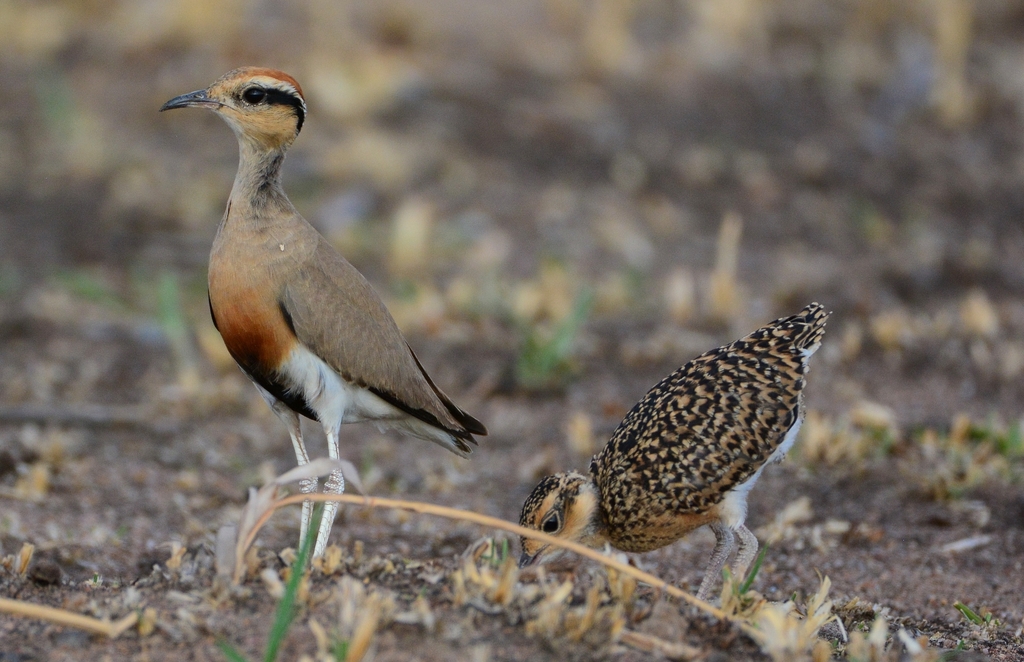
Temminck's Courser (Birds of Africa) · iNaturalist
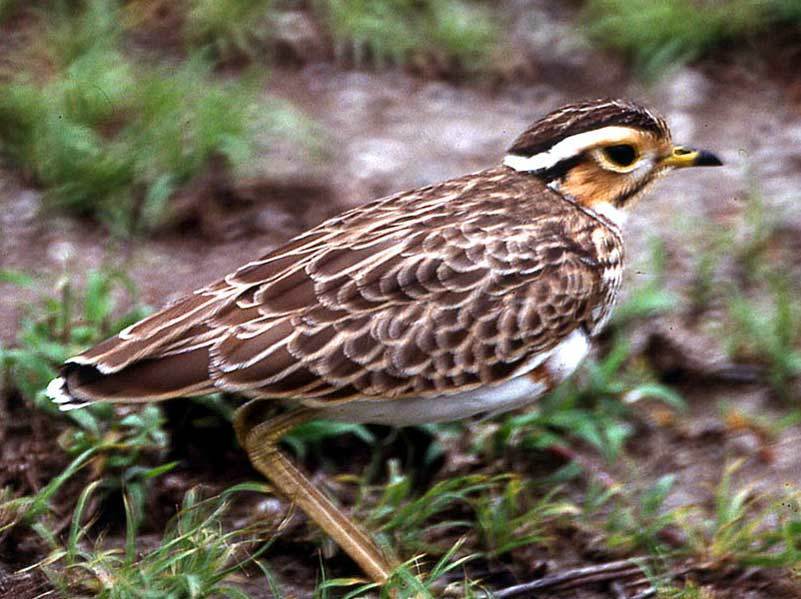
Threebanded Courser (Birds of Kenya) · iNaturalist
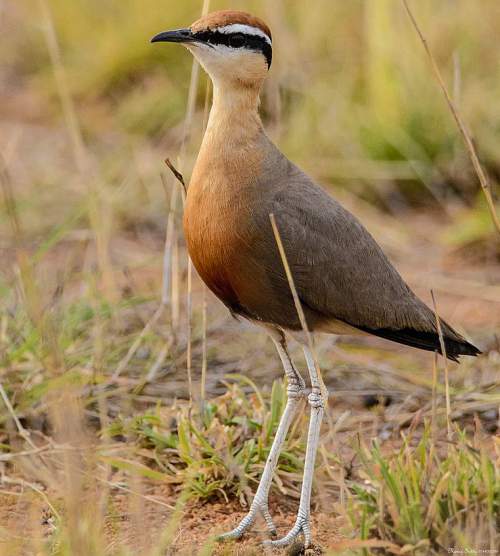
Indian courser Birds of India Bird World

Courser Indian (Cursorius coromandelicus) in flight India World
Creamcolored Courser eBird

Courser Archives World Bird Photos

Birds of The World Coursers and Pratincoles (Glareolidae); Egyptian

ThreeBanded (Heuglin's) Courser in 2023 Courser, African animals

Courser BronzeWinged (Rhinoptilus chalcopterus) at night Namibia
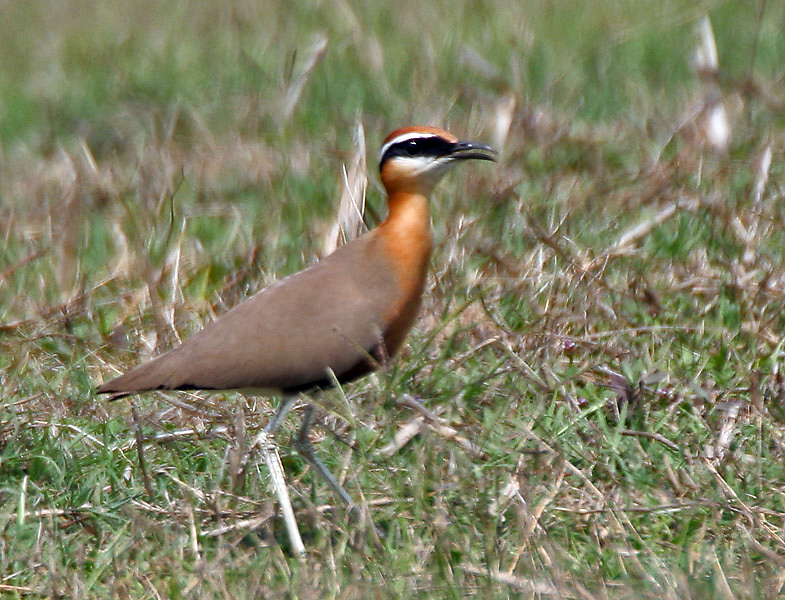
Indian Courser (Birds Of Raipur,Chhattisgarh) · BioDiversity4All
They Have Cryptic Plumage And Crouch Down When Alarmed To Avoid Detectio…
The Indian Courser (Cursorius Coromandelicus) Is A Distinctive Species Of Courser Found Primarily In The Plains Enveloped By The Ganges And Indus River Systems.
Large Courser With Dark Brown Upperparts And A White Belly.
Identify The Birds You See Or Hear With Merlin Bird Id.
Related Post: