
Courses Of Brickwork
Courses Of Brickwork - Brickwork is masonry produced by a bricklayer, using bricks and mortar. For bricks which aren’t in place, use gentle pressure to reposition. A course of brick refers to a single row of bricks laid horizontally in a wall. It is the lowest course in a masonry wall used for multiple functions, mostly structural. Common or american bond is a variation of running bond with a course of full length headers at regular intervals. 6 courses to 600mm coursing chart for more information call us on 13 15 40 visit our website at midlandbrick.com.au email [email protected] Generally, it can be a continuous row of various masonry units, such as concrete masonry units. Here we will explore the different types of brick detailing and show you a multitude of examples of architectural projects that have been creative with their brick detailing. Brick laid flat and perpendicular to the face of the wall are called headers. Although there are many different types of brick courses, i thought we could touch on a few today. Bricks are a modular building material and come in a huge range of colours, finishes, textures, sizes and types. Each course is uniformly laid to ensure structural stability and aesthetic appeal. Each row of bricks is known as a “course,” and the arrangement of these courses contributes significantly to. Brick masonry is a timeless and versatile construction technique that has been used for centuries to create durable and aesthetically pleasing structures. Brick laid flat and perpendicular to the face of the wall are called headers. A stretcher is a unit laid horizontally so the unit’s longest end is parallel to the wall face. In masonry, brick coursing refers to the pattern in which bricks are laid in horizontal layers or courses. 6 courses to 600mm coursing chart for more information call us on 13 15 40 visit our website at midlandbrick.com.au email [email protected] A course of brick refers to a single row of bricks laid horizontally in a wall. All dimensions in mm format size: In masonry, “courses” refer to the horizontal layers of bricks, stones, or other masonry units. Each row of bricks is known as a “course,” and the arrangement of these courses contributes significantly to. Header courses usually appear at every fifth, sixth or seventh course. Two courses are laid in stack bond and the next two courses are laid while staggering. These headers provide structural bonding, as well as pattern. Two courses are laid in stack bond and the next two courses are laid while staggering by half a brick. Bricks are a modular building material and come in a huge range of colours, finishes, textures, sizes and types. Typically, rows of bricks called courses [1][2] are laid on top of. Bricks are a modular building material and come in a huge range of colours, finishes, textures, sizes and types. Whether you’re a beginner looking to learn about brick courses or an experienced builder refining your techniques, this comprehensive guide will cover all the essential aspects of bricks courses in construction. Bricks may be differentiated from blocks by size. It is. Although there are many different types of brick courses, i thought we could touch on a few today. Typically, rows of bricks called courses [1][2] are laid on top of one another to build up a structure such as a brick wall. Generally, it can be a continuous row of various masonry units, such as concrete masonry units. Different types. Historically, brick courses played a vital role in the stabilization of a wall, more notably, different brick courses could help support a wall at a window or door opening. Brickwork is masonry produced by a bricklayer, using bricks and mortar. In laying out any bond pattern, it is important that the corners be started correctly. Arranging a layer of uniform. Arranging a layer of uniform units horizontally within a wall is considered a course in brick masonry. Units form the foundation or footing course. Typically, rows of bricks called courses [1][2] are laid on top of one another to build up a structure such as a brick wall. Units form the coping of a. A course of brick refers to. Obtain maximum strength whilst distributing the loads to be carried throughout the wall, column or pier. Generally, it can be a continuous row of various masonry units, such as concrete masonry units. A course of brick refers to a single row of bricks laid horizontally in a wall. Although there are many different types of brick courses, i thought we. What is a course in brick masonry? Units form the foundation or footing course. The common terms used in masonry works are listed below. Arranging a layer of uniform units horizontally within a wall is considered a course in brick masonry. Then, lay your first course of bricks, with mortar in between each brick for a vertical joint. Brickwork is masonry produced by a bricklayer, using bricks and mortar. It is the lowest course in a masonry wall used for multiple functions, mostly structural. It is a full brick or stone which is laid with its length perpendicular to the face of the wall. It is a full brick or stone in which is laid its length parallel. Generally, it can be a continuous row of various masonry units, such as concrete masonry units. Brick laid flat and perpendicular to the face of the wall are called headers. Check your brick course with a level to ensure they’re straight. All dimensions in mm format size: Common or american bond is a variation of running bond with a course. Typically, rows of bricks called courses [1][2] are laid on top of one another to build up a structure such as a brick wall. Obtain maximum strength whilst distributing the loads to be carried throughout the wall, column or pier. You can be very creative with brickwork bonds. It is a full brick or stone which is laid with its length perpendicular to the face of the wall. A course of brick refers to a single row of bricks laid horizontally in a wall. A stretcher is a unit laid horizontally so the unit’s longest end is parallel to the wall face. In masonry, brick coursing refers to the pattern in which bricks are laid in horizontal layers or courses. Whether you're a homeowner planning a diy project or simply curious about the world of brickwork, understanding key masonry terms is essential. What is a course in brick masonry? 6 courses to 600mm coursing chart for more information call us on 13 15 40 visit our website at midlandbrick.com.au email [email protected] It is the lowest course in a masonry wall used for multiple functions, mostly structural. Different types of courses are used depending on the. 7 courses to 600mm modular brick brickwork dimensions bricks per m in wall = 33.3 approx. In masonry, “courses” refer to the horizontal layers of bricks, stones, or other masonry units. The first course of a unit, usually referring to shingles. Each horizontal layer of brick in a masonry structure is called a course.
Types Brickwork Vector Set Brick Course Stock Vector 672783418
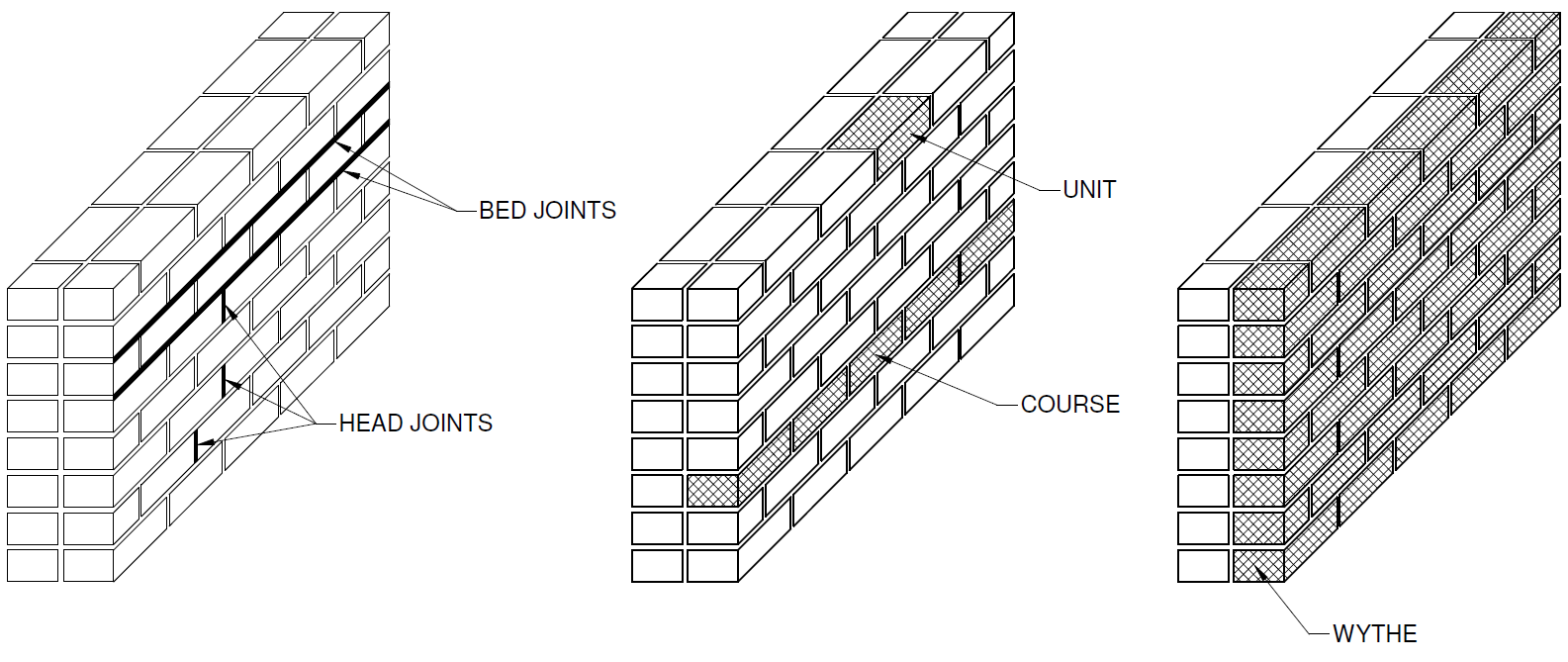
To Engineer is Human Masonry Terminology

Rowlock Course Brickwork Course.rjuuc.edu.np
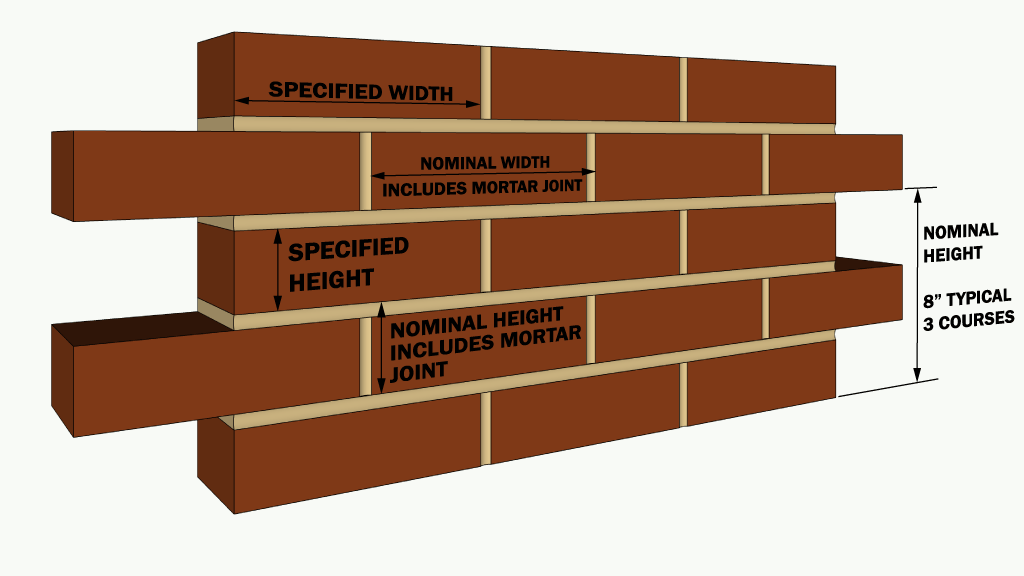
Brick Sizes, Shapes, Types, and Grades Archtoolbox
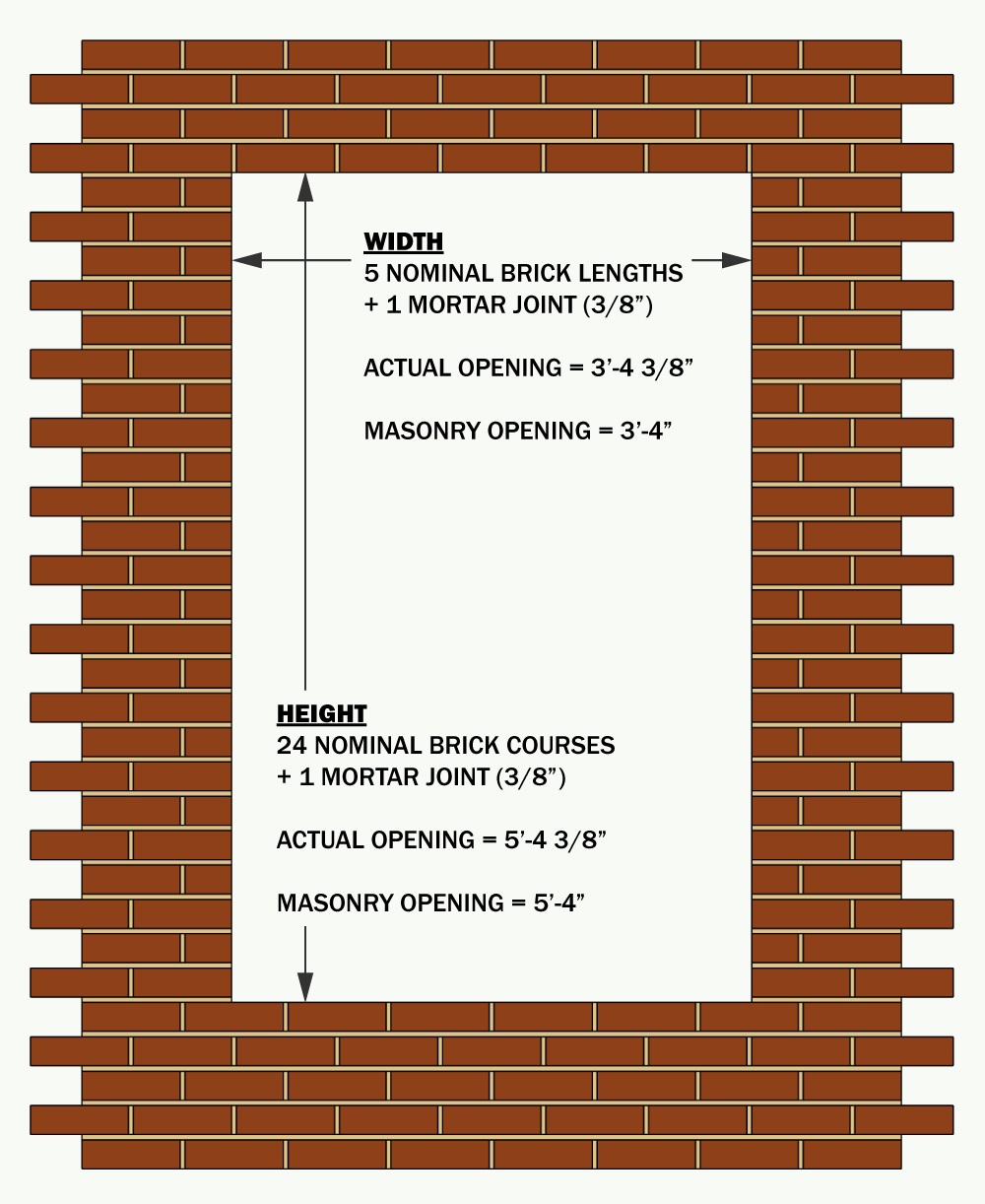
Brick Sizes, Shapes, Types, and Grades Archtoolbox

Ordinary Construction by Jason Batz

Types of Bonds in Brick Masonry Wall Construction

Types of Brick Courses Diagram Quizlet

Soldier Course and Rowlock Course in Brickwork
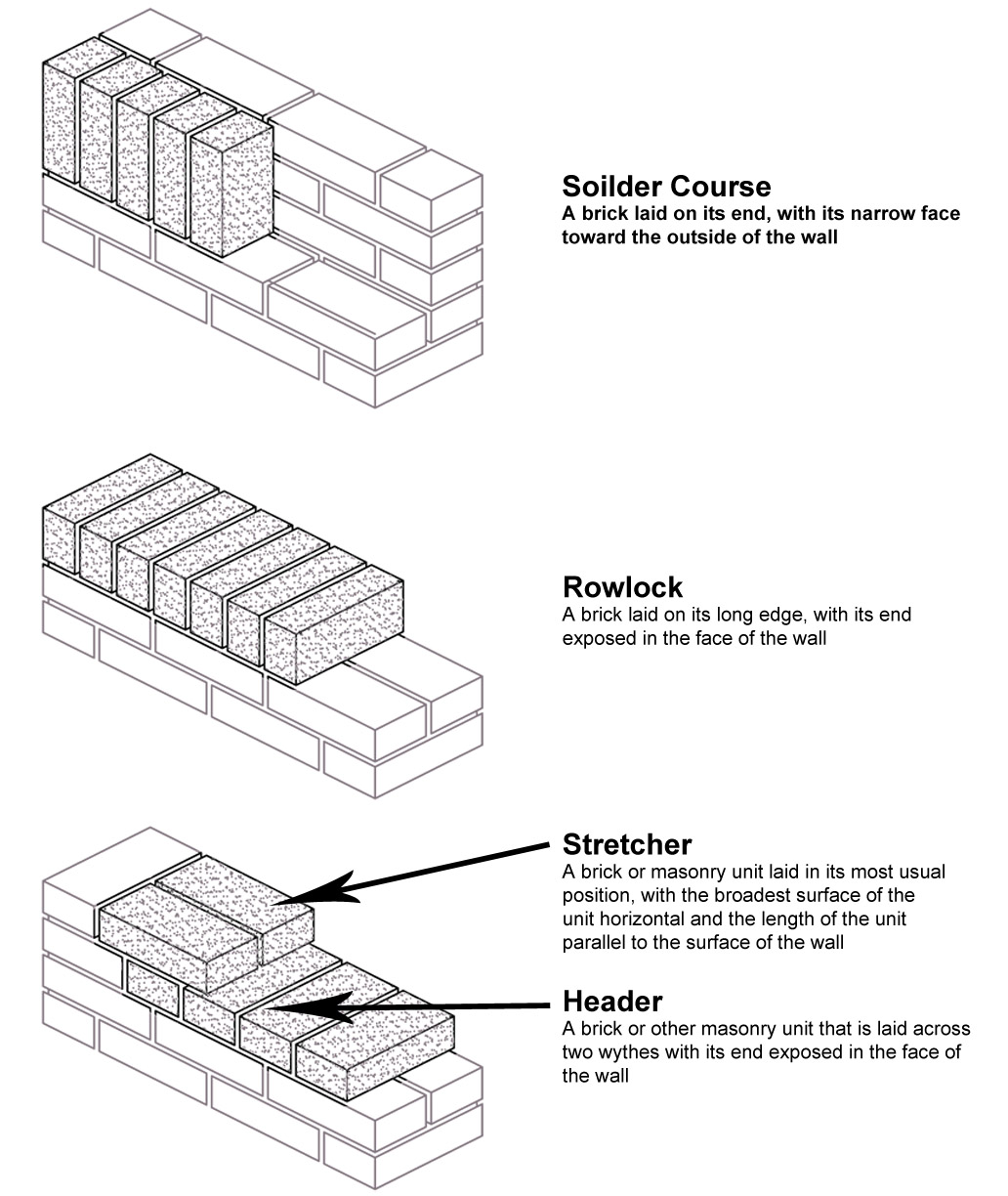
Brick Masonry Buildipedia
Bricks May Be Differentiated From Blocks By Size.
Each Course Is A Fundamental Unit In Bricklaying That Determines The Wall’s Overall Stability, Strength, And Aesthetics.
In Masonry, The Three Most Popular Course Types Are Stretcher Courses, Header Courses And Soldier Courses.
Then, Lay Your First Course Of Bricks, With Mortar In Between Each Brick For A Vertical Joint.
Related Post: