
How To Say Of Course In Korean
How To Say Of Course In Korean - How to say of course in korean. Depending on the conjugation attached, you can also use these expressions to fit different levels of politeness or. You could use 그럼요 or 물론이죠, which feels more formal than 당연하죠. The owner of it will not be notified. This course presents mainly colloquial expressions that you can learn and use immediately, and it contains expressions that are appropriate for the topic and situation, and sentence patterns that are highly useful. 물론 comes from hanja and means along the lines of it goes without saying. You use of course in order to emphasize a statement that you are making, especially when you are agreeing or disagreeing with someone. In this video you can learn 5 different ways to say of course in korean. In this short you can learn how to say of course / certainly in korean (물론 pronounced as [mullon]) with examples from various korean dramas. You can also listen to audio pronunciation to learn how to pronounce of course in korean and how to read it. How to say “of course” in korean. This course is (designed) for learners who want to improve practical korean communication skills in a short period of time. Is 그럼 the informal way of saying 그럼요? The three most common ways to say “of course” in korean are 그럼요 (geureomyo), 물론 (mullon), and 당연히 (dangyeonhi). How to say of course! in korean?🇰🇷당연하지! How to say “or” in korean?use 또는 for formal language.use 아니면 for casual speech!examples:커피 또는 차 드릴까요?(would you like coffee or tea?)영화 볼래? I've heard people use 당연하지, but i feel like i would have to use a different word in a formal situation. There are a few different words you can use to say “of course” in the korean language. [ spoken , emphasis ] 당연히 물론 i guess you're right.—of course i'm right! A casual way to say “of course” in korean is by using the expression “물론이야.” it is commonly used in conversations among friends or peers. How do you say of course in korean (formal/informal)? '물론이죠' 이 표현은 공식적이고 정중한 톤으로 사용되는 표현입니다. How you greet someone in korean shows not just that you see them, but that you respect korean social customs too. The owner of it will not be notified. In this short you can learn how to say of course / certainly in. I've heard people use 당연하지, but i feel like i would have to use a different word in a formal situation. The owner of it will not be notified. How to say “or” in korean?use 또는 for formal language.use 아니면 for casual speech!examples:커피 또는 차 드릴까요?(would you like coffee or tea?)영화 볼래? '물론이죠' 이 표현은 공식적이고 정중한 톤으로 사용되는 표현입니다.. For examples, you can use like [물론이지, 품질은 물론이고 값도저렴하다]. You will hear all of them frequently in real life and there is little difference in meaning between these. How do i say of course in korean? The three most common ways to say “of course” in korean are 그럼요 (geureomyo), 물론 (mullon), and 당연히 (dangyeonhi). It is formed from. If you want to know how to say of course in korean, you will find the translation here. How do i say of course in korean? This phrase carries a sense of agreement, assurance, or willingness to do something in an informal setting. A casual way to say “of course” in korean is by using the expression “물론이야.” it is. In this post you will learn how to pronounce and use of course in korean along with examples. Of course in korean is 물론. How to say “of course” in korean. And how you can say it just like a native. How to say “or” in korean?use 또는 for formal language.use 아니면 for casual speech!examples:커피 또는 차 드릴까요?(would you like. In this short you can learn how to say of course / for sure in korean (그럼요 pronounced as [geuleomyo]) with examples from various korean dramas. How to say “or” in korean?use 또는 for formal language.use 아니면 for casual speech!examples:커피 또는 차 드릴까요?(would you like coffee or tea?)영화 볼래? There are a few different words you can use to say. And how you can say it just like a native. Depending on the conjugation attached, you can also use these expressions to fit different levels of politeness or. Only the user who asked this question will see who disagreed with this answer. How you greet someone in korean shows not just that you see them, but that you respect korean. In this post you will learn how to pronounce and use of course in korean along with examples. How do you say of course in korean (formal/informal)? Is 그럼 the informal way of saying 그럼요? I've heard people use 당연하지, but i feel like i would have to use a different word in a formal situation. How do you say. How to say “or” in korean?use 또는 for formal language.use 아니면 for casual speech!examples:커피 또는 차 드릴까요?(would you like coffee or tea?)영화 볼래? You use of course in order to emphasize a statement that you are making, especially when you are agreeing or disagreeing with someone. This course presents mainly colloquial expressions that you can learn and use immediately, and. And how you can say it just like a native. How you greet someone in korean shows not just that you see them, but that you respect korean social customs too. How to say “or” in korean?use 또는 for formal language.use 아니면 for casual speech!examples:커피 또는 차 드릴까요?(would you like coffee or tea?)영화 볼래? The owner of it will not. In this short you can learn how to say of course / certainly in korean (물론 pronounced as [mullon]) with examples from various korean dramas. In this post you will learn how to pronounce and use of course in korean along with examples. You use of course in order to emphasize a statement that you are making, especially when you are agreeing or disagreeing with someone. You could use 그럼요 or 물론이죠, which feels more formal than 당연하죠. '물론이죠' 이 표현은 공식적이고 정중한 톤으로 사용되는 표현입니다. [ spoken , emphasis ] 당연히 물론 i guess you're right.—of course i'm right! How to say of course! in korean?🇰🇷당연하지! This course presents mainly colloquial expressions that you can learn and use immediately, and it contains expressions that are appropriate for the topic and situation, and sentence patterns that are highly useful. 당연하지 (dangyeonhaji)당연하지 is the most standard way to say of course. it directly means naturally o. If you want to know how to say of course in korean, you will find the translation here. When speaking formally or in polite situations, the korean phrase “of course” can be translated as “물론입니다” (mullonimnida). Youtube, instagram 👉 young.koreanlanguage music : You will hear all of them frequently in real life and there is little difference in meaning between these. It is formed from the descriptive verb 그렇다 (geureota), which translates as “yes.” Here, “물론” (mullon) means “of course” and “입니다” (imnida) is a formal ending that conveys politeness. 물론 comes from hanja and means along the lines of it goes without saying.
How To Say 'Of Course' In Korean (고 말고요)
How do you say "" of course" as in "did you eat well? > of course

5 Ways to Say Of Course in Korean Learn Korean with Your Favorite

How to say "of course" in Korean. 그럼요 YouTube
How do you say "Of course" in Korean (formal/informal)? Is "그럼" the
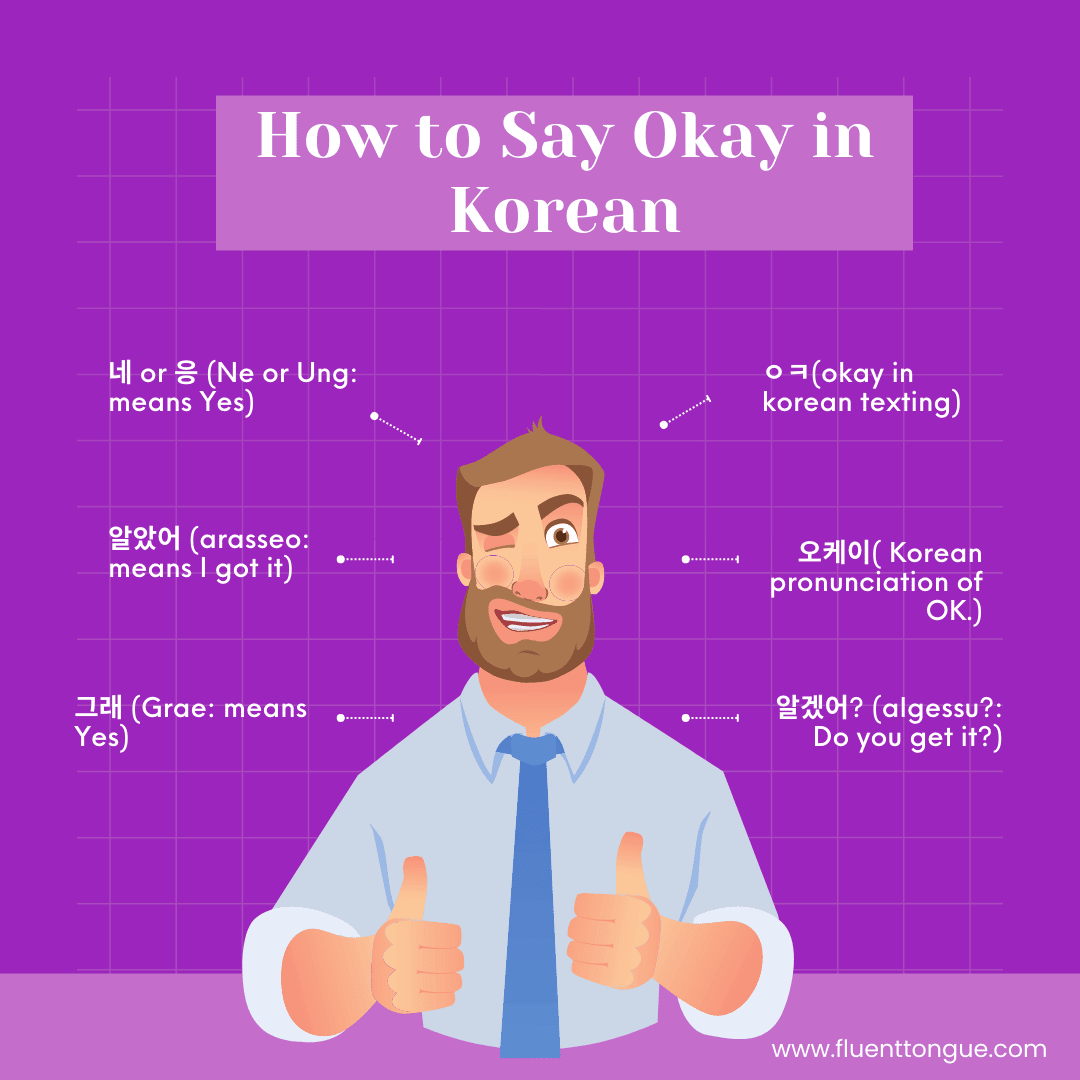
How To Say Thank You In KoreanA Free CRASH COURSE
How do you say "I learn Korean at a korean language course." in Korean
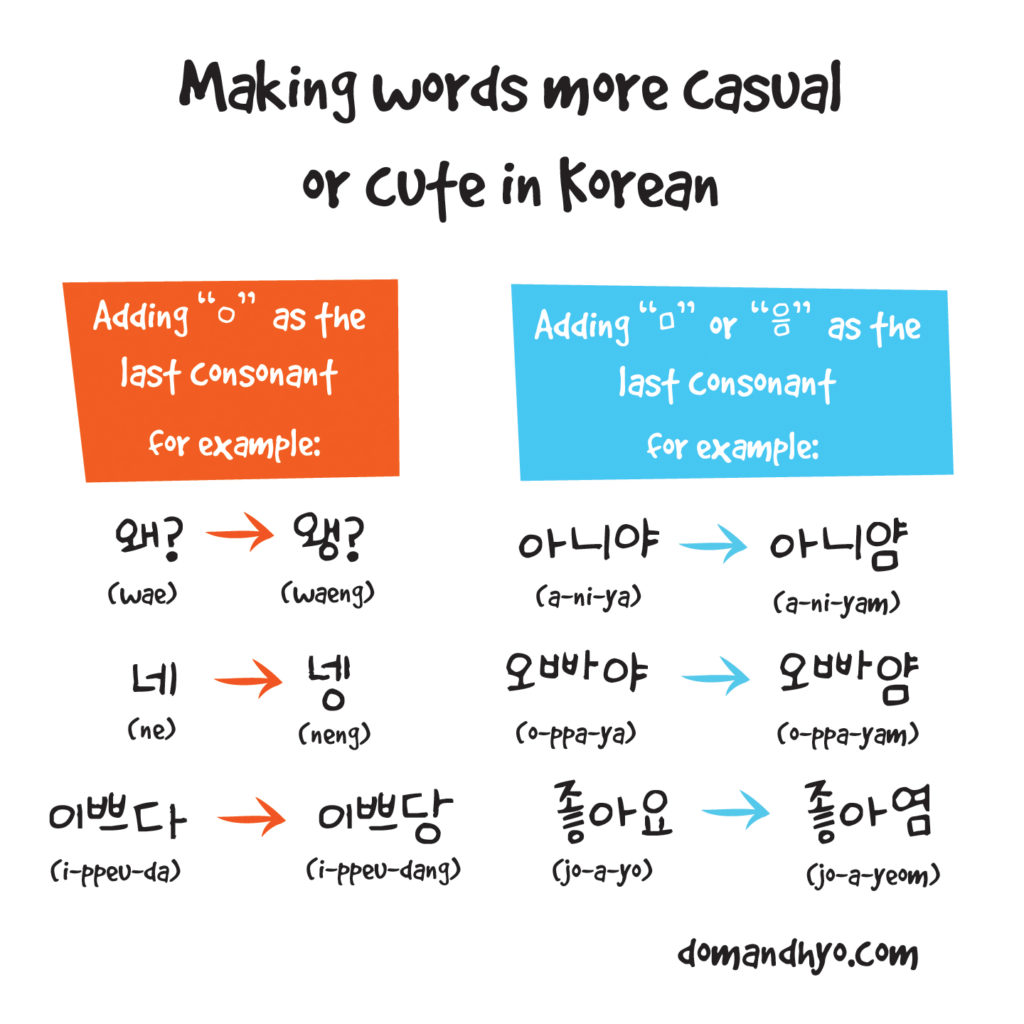
Making Words Cute or Casual in Korean Learn Korean with Fun

How to say "Of course" in Korean. 당연하다 YouTube

Learn Korean How to Say 'Of Course' in Korean
Is 그럼 The Informal Way Of Saying 그럼요?
How Do You Say Of Course In Korean (Formal/Informal)?
How To Say “Of Course” In Korean.
Depending On The Conjugation Attached, You Can Also Use These Expressions To Fit Different Levels Of Politeness Or.
Related Post: