
Natural Course Of Disease
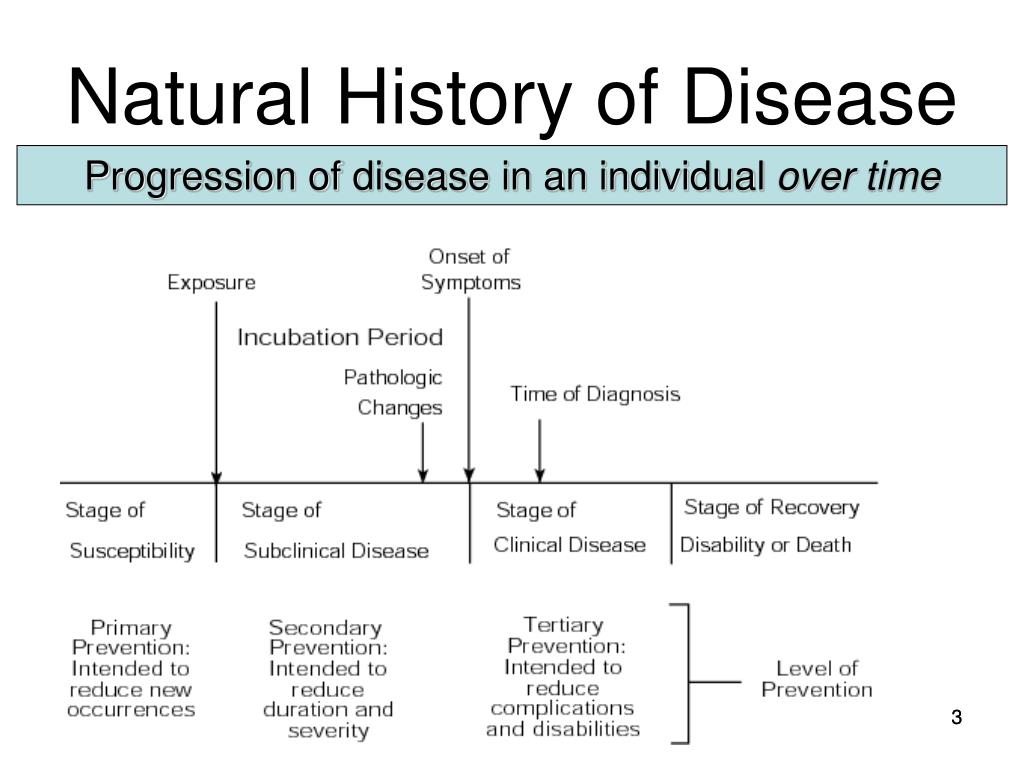
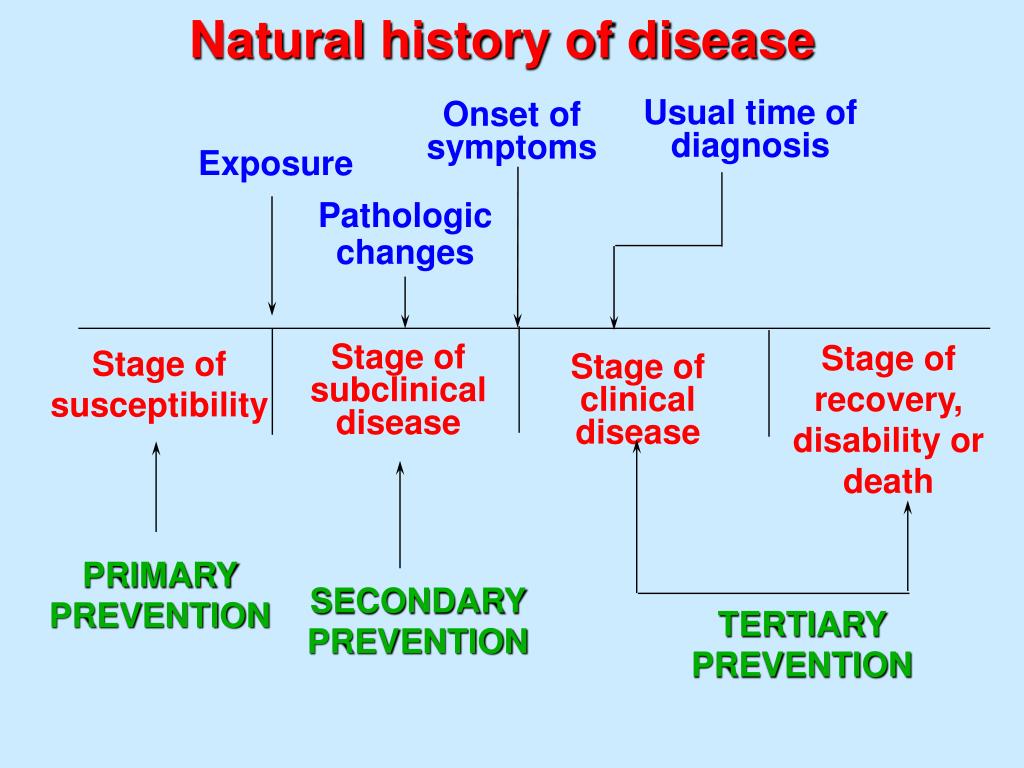
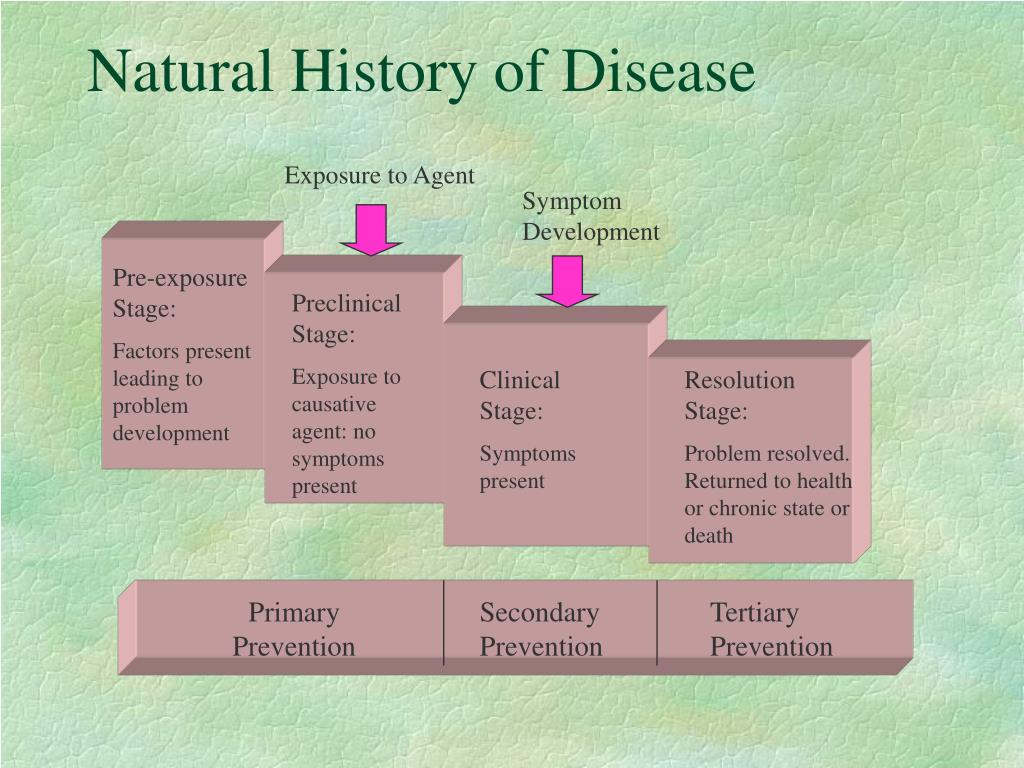
Natural Course Of Disease - A comprehensive exploration of the dynamics and natural history of diseases, including their modes of transmission. Understanding the natural history of a disease is key to understanding its origins, potential complications, and the best way to prevent or manage it. It encompasses the entire trajectory of a disease, from its early stages to its resolution or outcome, including the patient’s response to treatment and the impact on their quality of life. The natural history of disease refers to the progression of a disease in an individual over time. Uncover the science behind how diseases develop, progress, and spread in populations. A natural history study is a preplanned observational study intended to track the course of the disease. This natural course of disease progression that occurs over a period of time provided is known as the natural history of disease. Accurately and holistically track the natural history of a disease is fundamentally important in order to assess the efficacy and safety of preventive or therapeutic intervention. The acute need for understanding natural history of cancers The natural history of disease refers to the progression of a disease in an individual over time, from its onset through its course until recovery or death, without medical intervention. Uncover the science behind how diseases develop, progress, and spread in populations. Understanding the natural history of a disease is key to understanding its origins, potential complications, and the best way to prevent or manage it. Each stage has unique characteristics and outcomes. It encompasses the entire trajectory of a disease, from its early stages to its resolution or outcome, including the patient’s response to treatment and the impact on their quality of life. A natural history study is a preplanned observational study intended to track the course of the disease. In other words, without understanding the course and pathways of disease, it is very difficult, if not impossible, to define the endpoints of a novel therapy Susceptibility, incubation, prodromal, acute, and convalescence. A comprehensive exploration of the dynamics and natural history of diseases, including their modes of transmission. The acute need for understanding natural history of cancers The natural history of disease refers to the course of a disease or a medical condition from its onset, progression, and final outcome. From an epidemiological perspective, exploring modifiable factors that influence the natural course of prediabetes is of great value, as it may positively impact the management of this condition. This natural course of disease progression that occurs over a period of time provided is known as the natural history of disease. The natural history of disease refers to the progression of. From an epidemiological perspective, exploring modifiable factors that influence the natural course of prediabetes is of great value, as it may positively impact the management of this condition. When it comes to understanding how diseases progress, the natural history of disease model is a useful framework. The cardiometabolic index (cmi) is a simple parameter developed by ichiro wakabayashi and his. The acute need for understanding natural history of cancers Understanding the natural history of a disease is an important prerequisite for designing studies that assess the impact of interventions, both chemotherapeutic and environmental, on the initiation and expression of the condition. The cardiometabolic index (cmi) is a simple parameter developed by ichiro wakabayashi and his team in 2015 to assess. Each stage has unique characteristics and outcomes. Uncover the science behind how diseases develop, progress, and spread in populations. Natural history of disease refers to the progression of a disease process in an individual over time, in the absence of treatment. The model describes the progression of a disease through 4 stages, from exposure to recovery or death. A natural. This includes relevant phenomena from before initiation of the disease (the stage of susceptibility) until its resolution. The natural history of disease is the course a disease takes in individual people from its pathological onset (inception) until its resolution (either through complete recovery or eventual death). The course of a disease from pathological onset or inception to resolution. It emphasizes. Accurately and holistically track the natural history of a disease is fundamentally important in order to assess the efficacy and safety of preventive or therapeutic intervention. Susceptibility, incubation, prodromal, acute, and convalescence. The natural history of a disease is also referred to as the course of the disease, or its development and progression; These terms can be used interchangeably. When. Susceptibility, incubation, prodromal, acute, and convalescence. This natural course of disease progression that occurs over a period of time provided is known as the natural history of disease. The course of a disease from pathological onset or inception to resolution. For example, untreated infection with hiv causes a spectrum of clinical problems beginning at the time of seroconversion (primary hiv). Accurately and holistically track the natural history of a disease is fundamentally important in order to assess the efficacy and safety of preventive or therapeutic intervention. Susceptibility, incubation, prodromal, acute, and convalescence. Uncover the science behind how diseases develop, progress, and spread in populations. The natural history of disease is the course a disease takes in individual people from its. The natural history of disease refers to the progression of a disease in an individual over time, from its onset through its course until recovery or death, without medical intervention. Uncover the science behind how diseases develop, progress, and spread in populations. These terms can be used interchangeably. It encompasses the entire trajectory of a disease, from its early stages. It emphasizes the conceptualization of the relationships between agent, host and environment that determine. The natural history of disease refers to the progression of a disease in an individual over time, from its onset through its course until recovery or death, without medical intervention. Natural history of disease refers to the progression of a disease process in an individual over. When it comes to understanding how diseases progress, the natural history of disease model is a useful framework. Its purpose is to identify demographic, genetic, environmental, and other variables (e.g., treatment modalities, concomitant medications) that correlate with the. The acute need for understanding natural history of cancers A comprehensive exploration of the dynamics and natural history of diseases, including their modes of transmission. For example, untreated infection with hiv causes a spectrum of clinical problems beginning at the time of seroconversion (primary hiv) and terminating with aids and usually death. They have a bearing on how illness is experienced, how differently it can be perceived at the time of. The natural history of disease consists of five stages of disease: The natural history of disease is the course a disease takes in individual people from its pathological onset (inception) until its resolution (either through complete recovery or eventual death). Susceptibility, incubation, prodromal, acute, and convalescence. A natural history study is a preplanned observational study intended to track the course of the disease. Accurately and holistically track the natural history of a disease is fundamentally important in order to assess the efficacy and safety of preventive or therapeutic intervention. Understanding the natural history of a disease is an important prerequisite for designing studies that assess the impact of interventions, both chemotherapeutic and environmental, on the initiation and expression of the condition. The natural history of disease refers to the course of a disease or a medical condition from its onset, progression, and final outcome. It encompasses the entire trajectory of a disease, from its early stages to its resolution or outcome, including the patient’s response to treatment and the impact on their quality of life. The natural history of disease is the course a disease takes in individual people from its pathological onset (inception) until its resolution (either through complete recovery or eventual death). The principles of etiology and natural history of disease are essential to recognizing opportunities for prevention across the illness spectrum.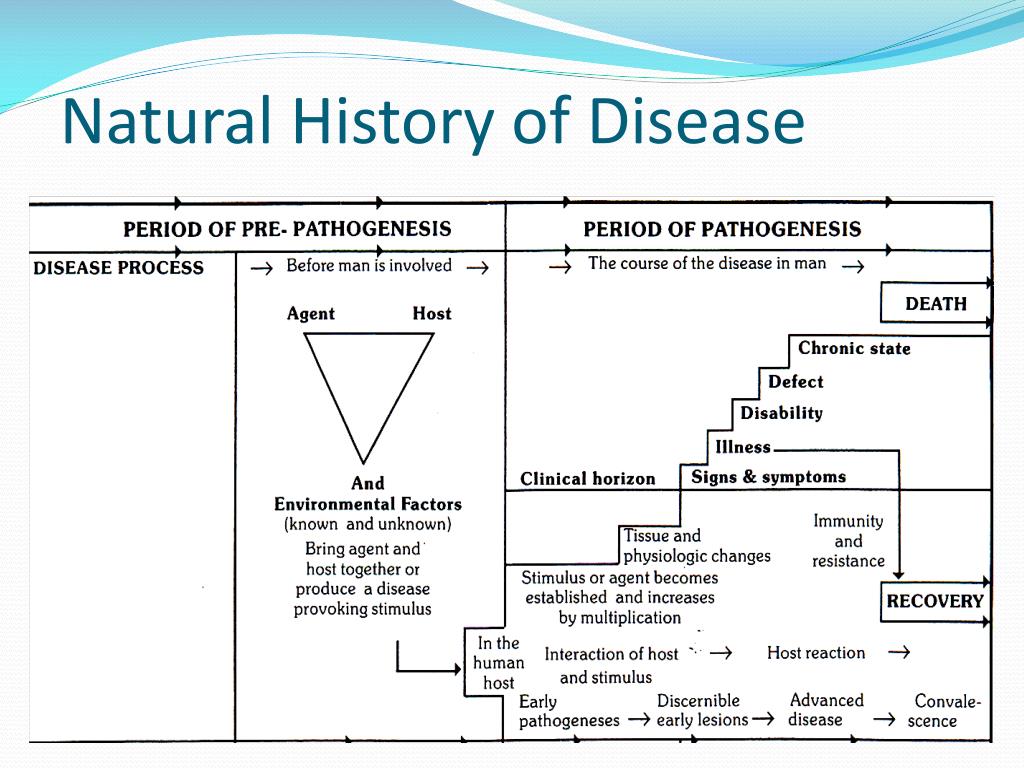
Stages Of Natural History Of Disease

Alzheimer's Disease Course, natural history and prognosis Neurotorium
Stages Of Natural History Of Disease
PPT History of Epidemiology PowerPoint Presentation, free download

PPT Epidemiology I PowerPoint Presentation, free download ID3502954

Four levels of prevention based on stages of natural course of disease
Stages Of Natural History Of Disease

PPT Natural History of Disease PowerPoint Presentation ID848298
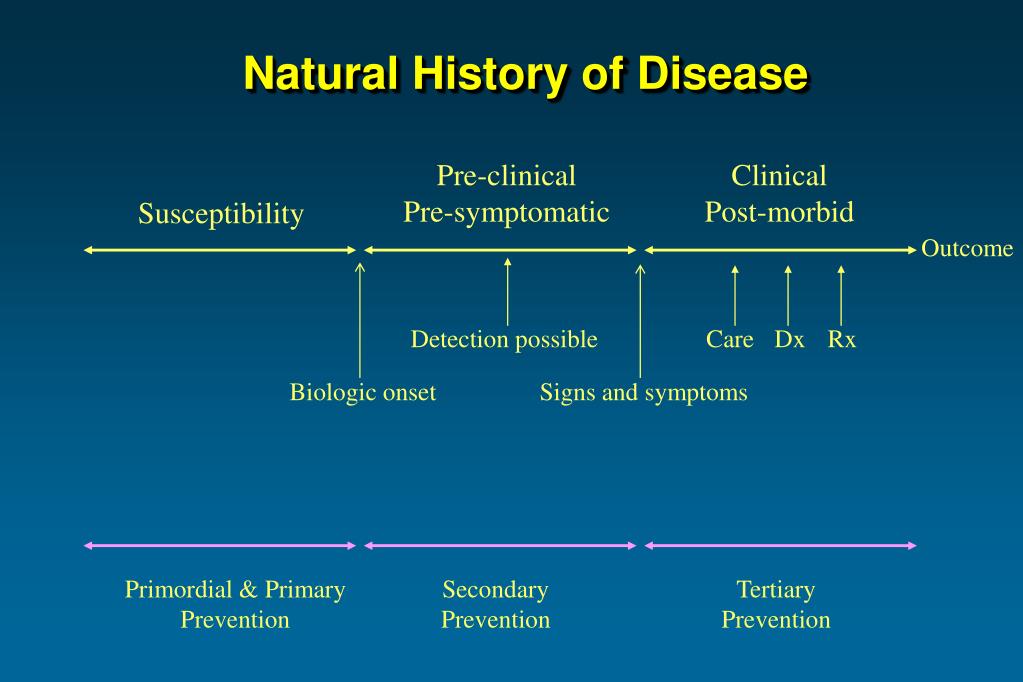
PPT Natural History of Disease Prevention and Prognosis PowerPoint

PPT Periodic Health Examinations PowerPoint Presentation, free
From An Epidemiological Perspective, Exploring Modifiable Factors That Influence The Natural Course Of Prediabetes Is Of Great Value, As It May Positively Impact The Management Of This Condition.
Uncover The Science Behind How Diseases Develop, Progress, And Spread In Populations.
In The Development Of The Study The Stages Of The Natural History Of The Disease Are Described From The Model Proposed By Leavell And Clark.
In Other Words, Without Understanding The Course And Pathways Of Disease, It Is Very Difficult, If Not Impossible, To Define The Endpoints Of A Novel Therapy
Related Post: