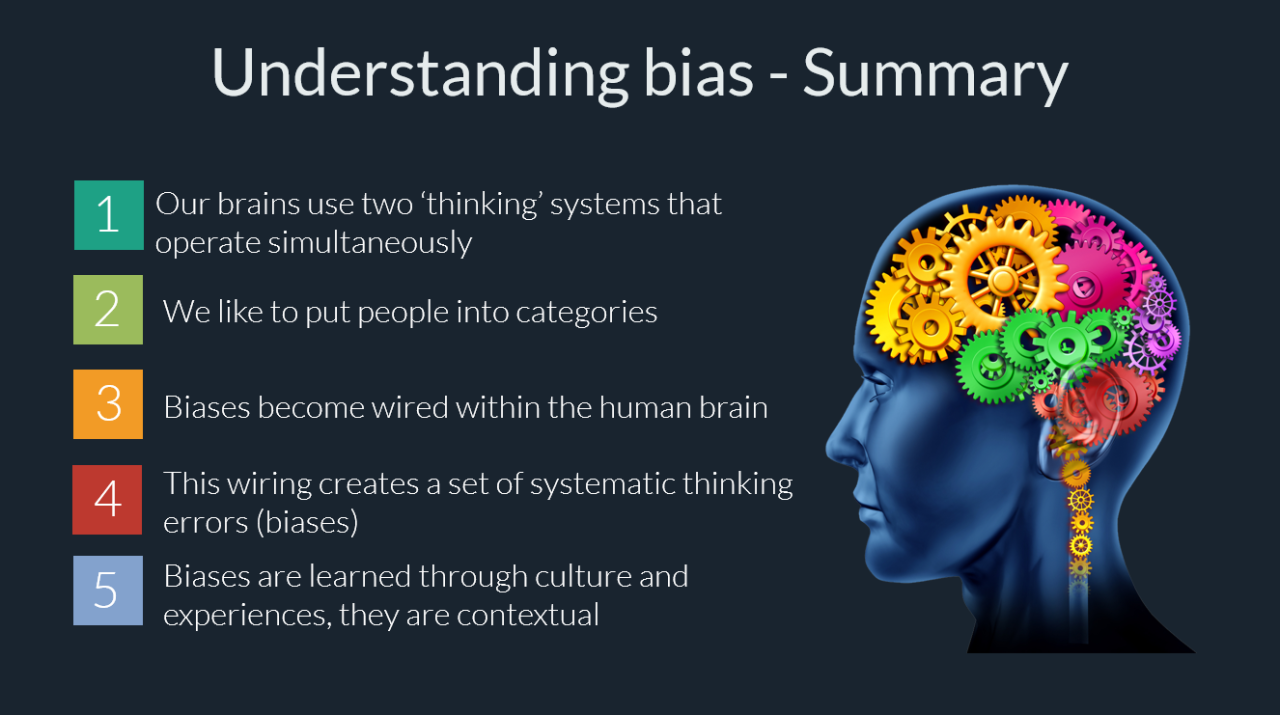
Unconscious Bias Course
Unconscious Bias Course - Demonstrate clear understanding of legislation protecting those who may be subject discrimination at work as a result of. Learn to recognise unconscious bias within themselves and in their organisational practices. Boost your competitive edge with unconscious bias training. In recruiting specifically, unconscious bias and affinity bias often express themselves as a preference for one candidate or another because of “culture fit.” resumes. Understand the concept of unconscious bias and why it develops; The most productive unconscious bias training will teach you to not only recognize bias, but also offer strategies for counteracting unconscious bias. Such biases are often unconscious emerge in the workplace. Evaluate the impact of bias: (more on this in a bit.). Identify different types of unconscious bias and how they affect our behaviours and reasoning. “you’ve got to begin with the assumption that you could. Learn to recognise unconscious bias within themselves and in their organisational practices. Such biases are often unconscious emerge in the workplace. The course’s designers emphasized the importance of humble inquiry in pursuing collaborative projects and research. Yes, unconscious bias training can help reduce contrast bias by increasing awareness of how automatic comparisons. Identify personal and organisational bias: (more on this in a bit.). Throughout the course, participants will be asked to look inward to better understand some of their unconscious biases and learn to recognize and safely interrupt bias exhibited by others. Identify different types of unconscious bias and how they affect our behaviours and reasoning. This publication presents an insightful look at the benefits of valuing a broad range of perspectives and experiences, and offers a summary of potential interventions to remediate unconscious. This course seeks to provides education on unconscious bias. Unconscious bias throws a wrench into any plans to make diversity work. Recall definitions associated with unconscious bias; Learn to recognise unconscious bias within themselves and in their organisational practices. In her linkedin learning course, managing unconscious bias at work, madison butler defines unconscious bias as “biases that you hold. Learn to recognise unconscious bias within themselves and in their organisational practices. This course explores the science behind unconscious bias, its various types, strategies for identifying and challenging it, and ways to create inclusive environments. Understand the concept of unconscious bias and why it develops; Identify different types of unconscious bias and how they affect our behaviours and reasoning. In. Learn to recognise unconscious bias within themselves and in their organisational practices. Such biases are often unconscious emerge in the workplace. In recruiting specifically, unconscious bias and affinity bias often express themselves as a preference for one candidate or another because of “culture fit.” resumes. In this course we will define unconscious bias, explore the various common types of biases. The most productive unconscious bias training will teach you to not only recognize bias, but also offer strategies for counteracting unconscious bias. In her linkedin learning course, managing unconscious bias at work, madison butler defines unconscious bias as “biases that you hold. Understand the concept of unconscious bias and why it develops; The course’s designers emphasized the importance of humble. The course’s designers emphasized the importance of humble inquiry in pursuing collaborative projects and research. Recruiters and managers must recognize how unconscious bias affects decisions and learn strategies to counteract it. Implicit bias training (or unconscious bias training) programs are designed to help individuals become aware of their implicit biases and equip them with tools and strategies to act. Demonstrate. Understand the concept of unconscious bias and why it develops; This publication presents an insightful look at the benefits of valuing a broad range of perspectives and experiences, and offers a summary of potential interventions to remediate unconscious. In recruiting specifically, unconscious bias and affinity bias often express themselves as a preference for one candidate or another because of “culture. Yes, unconscious bias training can help reduce contrast bias by increasing awareness of how automatic comparisons. Identify personal and organisational bias: (more on this in a bit.). Boost your competitive edge with unconscious bias training. The course’s designers emphasized the importance of humble inquiry in pursuing collaborative projects and research. “you’ve got to begin with the assumption that you could. Unconscious bias throws a wrench into any plans to make diversity work. Recall definitions associated with unconscious bias; What do we mean by unconscious bias? Yes, unconscious bias training can help reduce contrast bias by increasing awareness of how automatic comparisons. Unconscious bias throws a wrench into any plans to make diversity work. Recall definitions associated with unconscious bias; (more on this in a bit.). This course explores the science behind unconscious bias, its various types, strategies for identifying and challenging it, and ways to create inclusive environments. Understand the concept of unconscious bias and why it develops; Yes, unconscious bias training can help reduce contrast bias by increasing awareness of how automatic comparisons. Implicit bias training (or unconscious bias training) programs are designed to help individuals become aware of their implicit biases and equip them with tools and strategies to act. The course’s designers emphasized the importance of humble inquiry in pursuing collaborative projects and research. Such. Unconscious bias throws a wrench into any plans to make diversity work. Such biases are often unconscious emerge in the workplace. The most productive unconscious bias training will teach you to not only recognize bias, but also offer strategies for counteracting unconscious bias. Recruiters and managers must recognize how unconscious bias affects decisions and learn strategies to counteract it. In this course we will define unconscious bias, explore the various common types of biases with examples, learn about the. Boost your competitive edge with unconscious bias training. This course seeks to provides education on unconscious bias. Yes, unconscious bias training can help reduce contrast bias by increasing awareness of how automatic comparisons. Understand the concept of unconscious bias and why it develops; Identify different types of unconscious bias and how they affect our behaviours and reasoning. What do we mean by unconscious bias? Throughout the course, participants will be asked to look inward to better understand some of their unconscious biases and learn to recognize and safely interrupt bias exhibited by others. This publication presents an insightful look at the benefits of valuing a broad range of perspectives and experiences, and offers a summary of potential interventions to remediate unconscious. Recall definitions associated with unconscious bias; In recruiting specifically, unconscious bias and affinity bias often express themselves as a preference for one candidate or another because of “culture fit.” resumes. This course explores the science behind unconscious bias, its various types, strategies for identifying and challenging it, and ways to create inclusive environments.
Unconscious bias training Artofit
Unconscious Bias

Unconscious Bias Training MCBX
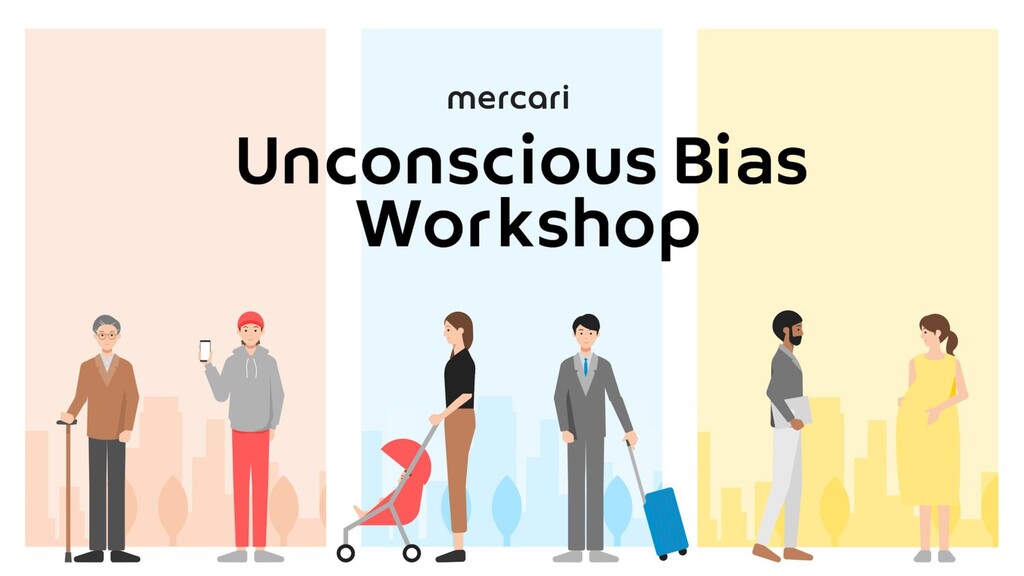
Unconscious Bias Training Materials (English) Speaker Deck
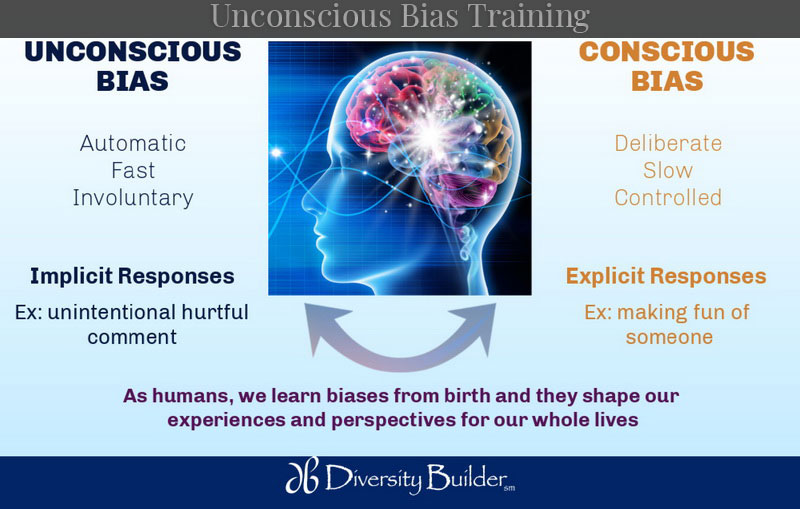
Unconscious Bias Training Diversity Builder
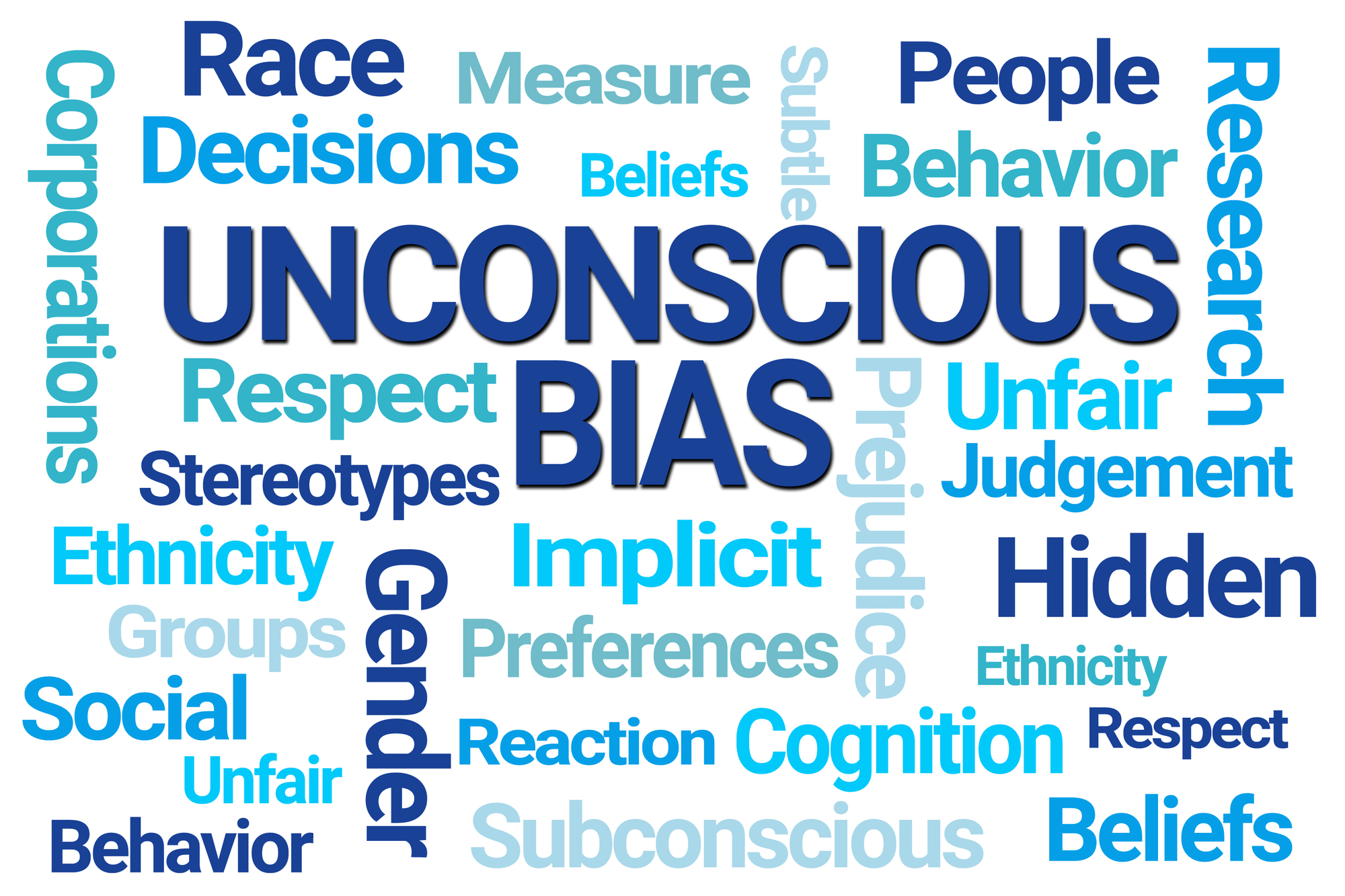
Unconscious Bias Training Nationwide International Programs
Unconscious Bias Training and Awareness Course
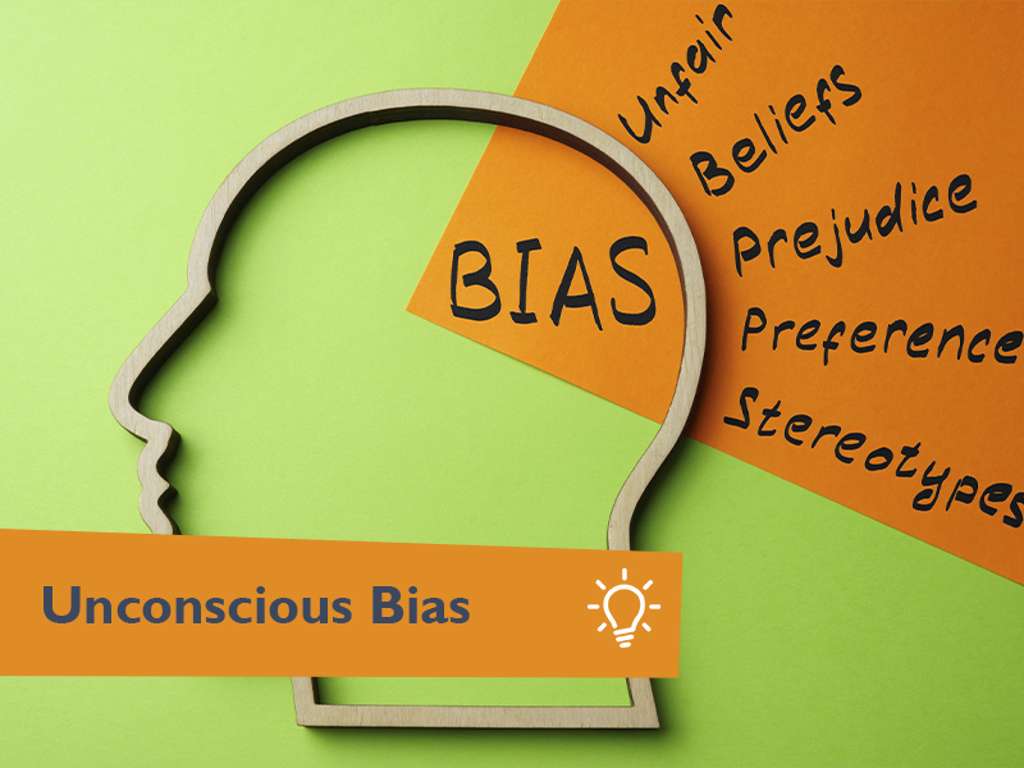
Unconscious Bias Training Online Course Expert LMS
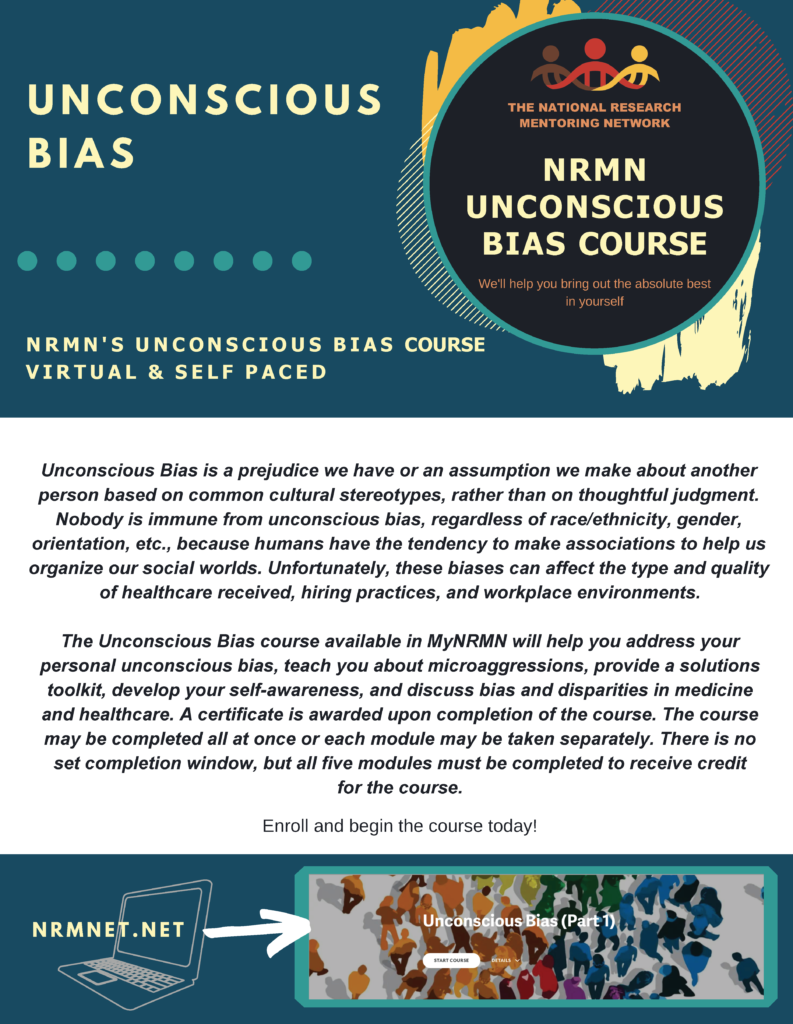
Unconscious Bias Course NRMN

Unconscious Bias Training Attribution Bias Youtube
Can Unconscious Bias Training Help Reduce Contrast Bias?
“You’ve Got To Begin With The Assumption That You Could.
Evaluate The Impact Of Bias:
Identify Personal And Organisational Bias:
Related Post: