
What Are Noncredit Courses
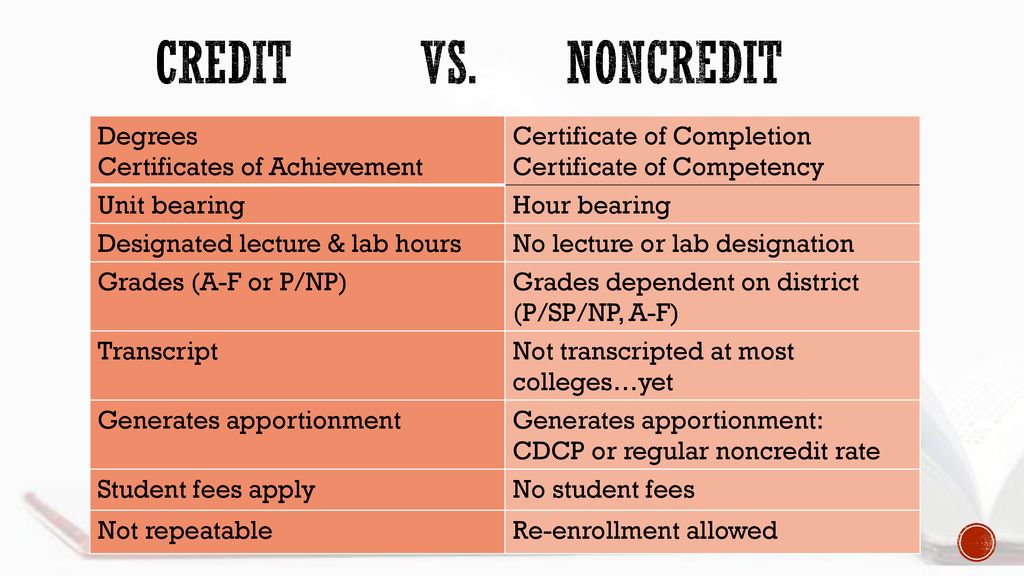
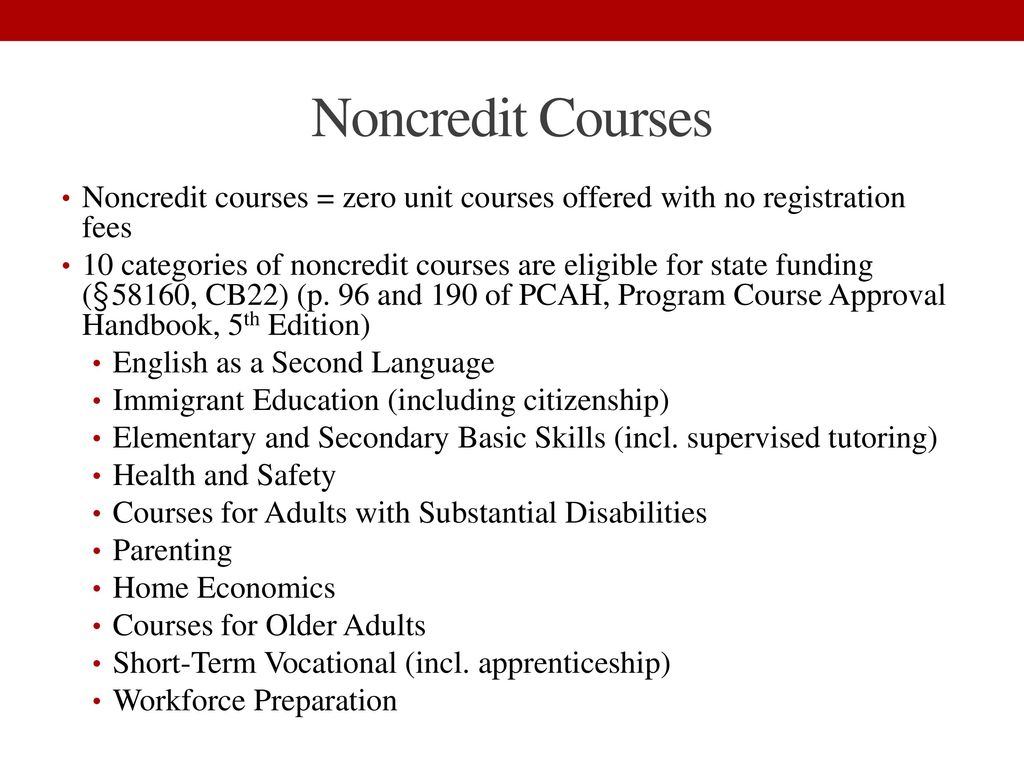
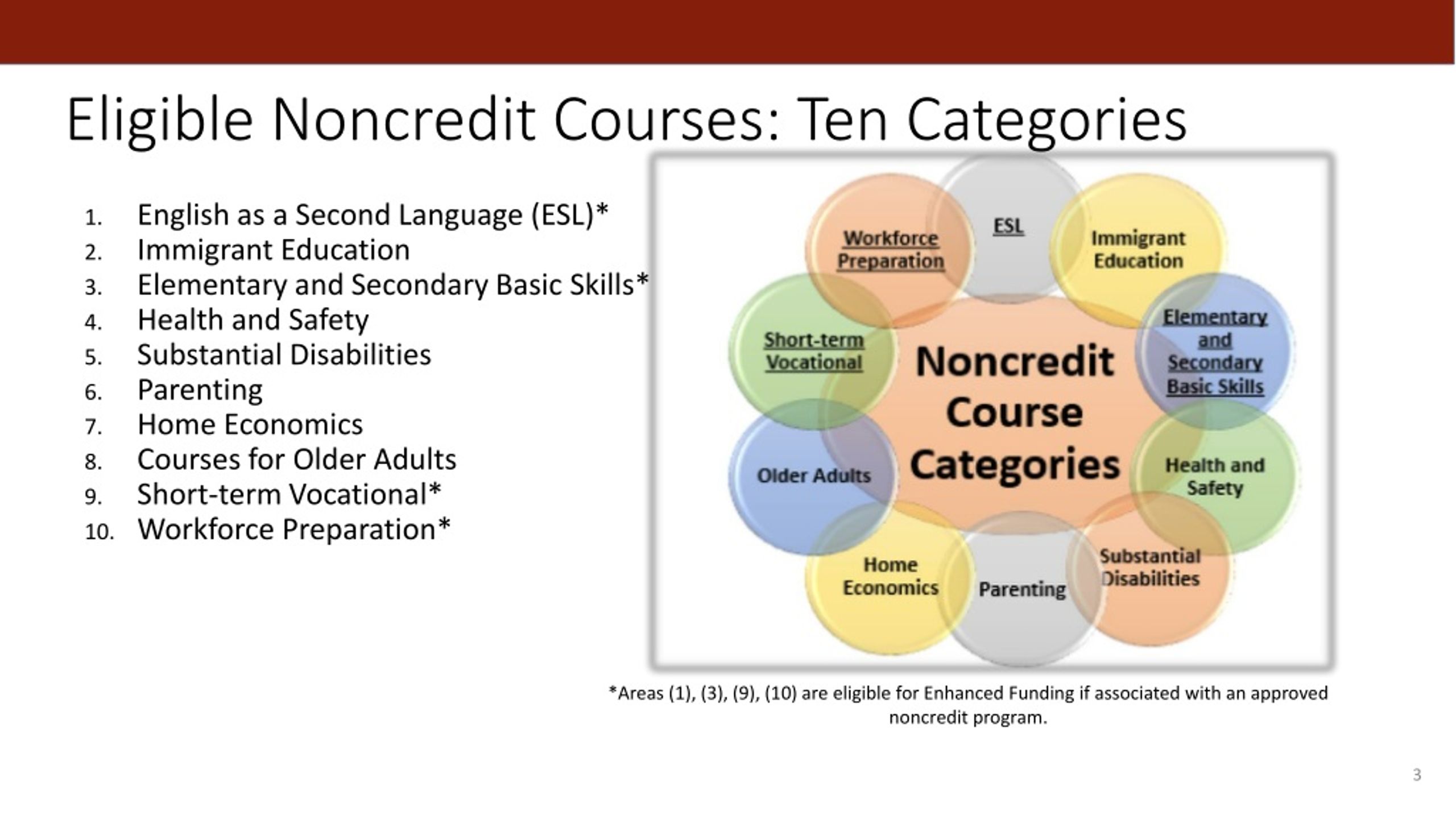
What Are Noncredit Courses - Noncredit courses are intended for learners who want to focus on acquiring specific knowledge, learn a new skill, upgrade existing skills, or develop personal interests. They are intended for students who want to gain general knowledge, learn a new skill,. This course consists of 20 activities (see table below) and provides up to 26 contact hours of continuing pharmacy education credit. What roles do faculty, administration, and staff play in noncredit curriculum. N oncredit courses focus on helping students build specific skills that are. The categories of noncredit courses are eligible for state. Noncredit courses cannot be used toward a credit degree, but (and here is where it seems muddy) many noncredit job training and skill building courses award continuing education. Noncredit courses are free classes that build student confidence, provide valuable preparation for future careers and educational opportunities, and increase equitable access to career. They are intended for students who want to gain general knowledge, learn a new skill,. It might be called continuing education or professional development. Take continuing education classes to advance. It might be called continuing education or professional development. Noncredit courses are free classes that build student confidence, provide valuable preparation for future careers and educational opportunities, and increase equitable access to career. Every course is designed to teach you what you need to. They are intended for students who want to gain general knowledge, learn a new skill,. Noncredit education includes “courses or activities carrying no academic credit applicable toward a degree, diploma, certificate, or other recognized postsecondary credential at the institution or. Short modules for the basics. Noncredit courses cannot be used toward a credit degree, but (and here is where it seems muddy) many noncredit job training and skill building courses award continuing education. Courses that don’t earn credit are found in. They are intended for students who want to gain general knowledge, learn a new skill,. Upgrade skills in your current job in a short period of time. This course consists of 20 activities (see table below) and provides up to 26 contact hours of continuing pharmacy education credit. Noncredit courses are classes offered through the continuing education division. Noncredit courses are designed for students interested in pursuing personal, professional or academic goals. Some schools list. Noncredit courses are designed for students interested in pursuing personal, professional or academic goals. N oncredit courses focus on helping students build specific skills that are. Noncredit classes assist students seeking to improve math or english proficiency, increase literacy and job skills, support access to higher education and advance employability. A noncredit course is one that is approved by the. This course consists of 20 activities (see table below) and provides up to 26 contact hours of continuing pharmacy education credit. They are intended for students who want to gain general knowledge, learn a new skill,. Noncredit courses are classes offered through the continuing education division. Noncredit classes assist students seeking to improve math or english proficiency, increase literacy and. Courses that earn credit can be used to earn a degree or certificate. They are intended for students who want to gain general knowledge, learn a new skill,. Noncredit education includes “courses or activities carrying no academic credit applicable toward a degree, diploma, certificate, or other recognized postsecondary credential at the institution or. Noncredit classes assist students seeking to improve. It might be called continuing education or professional development. Noncredit courses are intended for learners who want to focus on acquiring specific knowledge, learn a new skill, upgrade existing skills, or develop personal interests. Noncredit courses cannot be used toward a credit degree, but (and here is where it seems muddy) many noncredit job training and skill building courses award. Noncredit education includes “courses or activities carrying no academic credit applicable toward a degree, diploma, certificate, or other recognized postsecondary credential at the institution or. Short modules for the basics. Noncredit classes assist students seeking to improve math or english proficiency, increase literacy and job skills, support access to higher education and advance employability. N oncredit courses focus on helping. Courses that don’t earn credit are found in. Noncredit courses are designed for students interested in pursuing personal, professional or academic goals. It might be called continuing education or professional development. Noncredit courses are classes offered through the continuing education division. Non credit courses have many different names. Upgrade skills in your current job in a short period of time. Courses that don’t earn credit are found in. Noncredit classes assist students seeking to improve math or english proficiency, increase literacy and job skills, support access to higher education and advance employability. Noncredit courses cannot be used toward a credit degree, but (and here is where it seems. Noncredit courses are intended for learners who want to focus on acquiring specific knowledge, learn a new skill, upgrade existing skills, or develop personal interests. Non credit courses have many different names. Courses that earn credit can be used to earn a degree or certificate. They are intended for students who want to gain general knowledge, learn a new skill,.. Ten noncredit categories are established to classify a noncredit course in accordance with its primary objective. Noncredit courses are intended for learners who want to focus on acquiring specific knowledge, learn a new skill, upgrade existing skills, or develop personal interests. Noncredit classes assist students seeking to improve math or english proficiency, increase literacy and job skills, support access to higher. They are intended for students who want to gain general knowledge, learn a new skill,. Noncredit courses are free classes that build student confidence, provide valuable preparation for future careers and educational opportunities, and increase equitable access to career. Noncredit courses cannot be used toward a credit degree, but (and here is where it seems muddy) many noncredit job training and skill building courses award continuing education. Noncredit courses are intended for learners who want to focus on acquiring specific knowledge, learn a new skill, upgrade existing skills, or develop personal interests. The categories of noncredit courses are eligible for state. Noncredit courses are designed for students interested in pursuing personal, professional or academic goals. What do scc students need, and how can scc meet student needs with noncredit course offerings? Workforce services (noncredit) classes are classes you should take if you want to: Every course is designed to teach you what you need to. N oncredit courses focus on helping students build specific skills that are. What roles do faculty, administration, and staff play in noncredit curriculum. Courses that earn credit can be used to earn a degree or certificate. They are intended for students who want to gain general knowledge, learn a new skill,. This course consists of 20 activities (see table below) and provides up to 26 contact hours of continuing pharmacy education credit. Take continuing education classes to advance. Noncredit courses are classes offered through the continuing education division.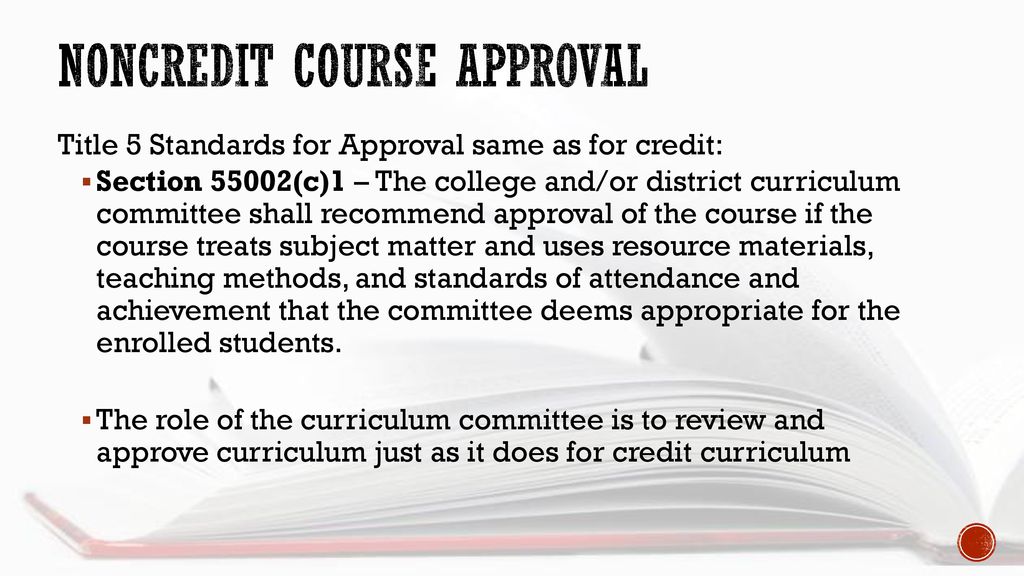
Basics of Noncredit Cheryl Aschenbach, ASCCC North Representative ppt
Credit vs. NonCredit

Transitions Between Noncredit and Credit ppt download
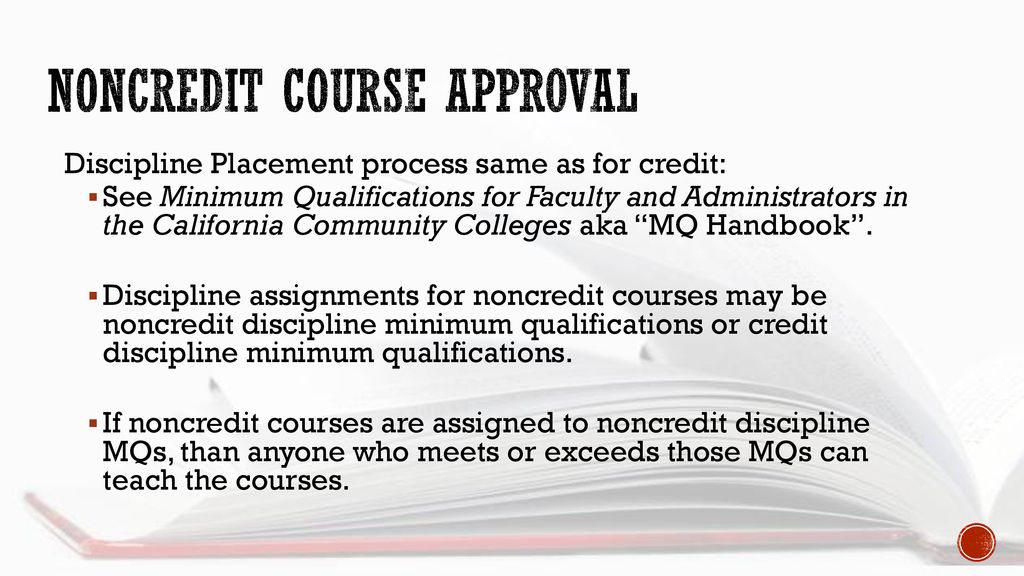
Basics of Noncredit Cheryl Aschenbach, ASCCC North Representative ppt
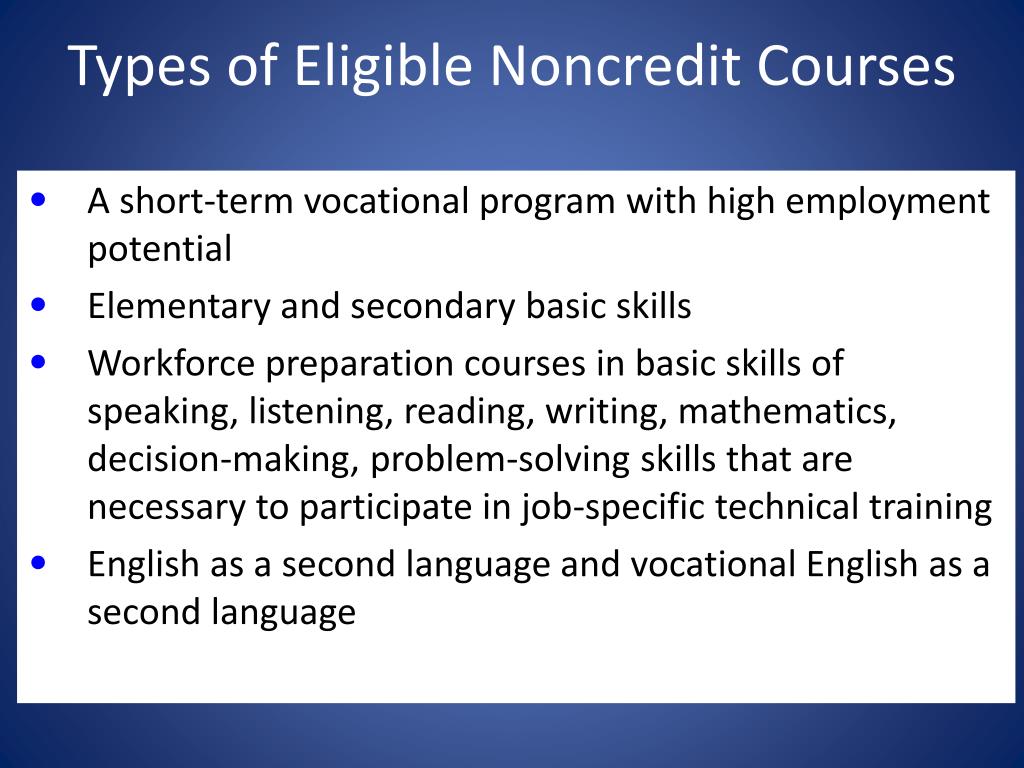
PPT Career Development and College Preparation (CDCP) Noncredit
Placing courses into areas of noncredit ppt download

Placing courses into areas of noncredit ppt download
Beginning Noncredit Programs and Moving from Credit to Noncredit ppt

Development of New CTE Programs ppt download
PPT Noncredit Curriculum Development and Approval Process PowerPoint
Courses That Don’t Earn Credit Are Found In.
Non Credit Courses Have Many Different Names.
Csi Offers Courses That Earn Credit As Well As Courses That Don’t Earn Credit.
A Noncredit Course Is One That Is Approved By The College And District As Meeting The Needs Of Enrolled Students But That Does Not Award College Credit And Does Not Go On A Transcript.
Related Post: