
Why Is A Golf Course Called Links
Why Is A Golf Course Called Links - It represents a connection between the coastal sand dunes and the. Links golf is a type of golf that is played on courses that are located on coastal land. A links golf course is a type of golf course built on sandy soil near the coast. The classes are designed to. The word ‘links’ comes from the old english word ‘hlinc’ meaning rising ground, (ridge) and refers to an area of costal sand dunes, a key feature in defining a course as a links. The term “links” refers to a type of golf. When it comes to golf course terminology, the word “links” is one that has been around for centuries. The term “links” has become synonymous with this traditional style of golf course, which originated in scotland. In this article, we’ll explore the. A links golf course essentially refers to the oldest style of golf course, first developed in scotland. What defines modern links course design? It represents a connection between the coastal sand dunes and the. But have you ever wondered why these particular types of courses are called “links”? The term “links” has become synonymous with this traditional style of golf course, which originated in scotland. The last week has seen the emergence of a series of significant stories, all while the uk economy more generally continues to feel the effects of the global trade war launched. Modern links course design has evolved significantly, reflecting the changing needs and preferences of today’s golfe. But what does it actually mean? A links golf course is a type of golf course built on sandy soil near the coast. When it comes to golf course terminology, the word “links” is one that has been around for centuries. The word “links” is often used to describe golf courses, but what does it actually mean? Today, the term “links” is used to describe any golf course that has a natural, open layout and features features such as sand dunes, rough, and pot bunkers. Simply put, “links” refers to the coastal landscapes where golf got its start. The term “links” refers to a type of golf. The term “links” has become synonymous with this traditional style. A links golf course essentially refers to the oldest style of golf course, first developed in scotland. The word “links” is derived from the ancient english word “hlinc,” which. The term “links” refers to a type of golf. The term “links” has become synonymous with this traditional style of golf course, which originated in scotland. Modern links course design has. A links golf course is a type of golf course built on sandy soil near the coast. What defines modern links course design? But what does it actually mean? The term “links” refers to a type of golf. Although it can be used as a general term, links has retained its meaning as being descriptive of a certain style of. A links golf course is a type of golf course built on sandy soil near the coast. The answer lies in the rich history and geographical features that shape these distinctive golfing. The classes are designed to. But have you ever wondered why these particular types of courses are called “links”? The word “links” is derived from the ancient english. When it comes to golf course terminology, the word “links” is one that has been around for centuries. The word “links” is derived from the ancient english word “hlinc,” which. Modern links course design has evolved significantly, reflecting the changing needs and preferences of today’s golfe. The answer lies in the rich history and geographical features that shape these distinctive. A links golf course is a type of golf course built on sandy soil near the coast. Simply put, “links” refers to the coastal landscapes where golf got its start. Today, the term “links” is used to describe any golf course that has a natural, open layout and features features such as sand dunes, rough, and pot bunkers. Although it. The last week has seen the emergence of a series of significant stories, all while the uk economy more generally continues to feel the effects of the global trade war launched. In this article, we’ll explore the. Simply put, “links” refers to the coastal landscapes where golf got its start. A links golf course is a type of golf course. But what does it actually mean? The term “links” refers to a type of golf. The last week has seen the emergence of a series of significant stories, all while the uk economy more generally continues to feel the effects of the global trade war launched. The term “links” has become synonymous with this traditional style of golf course, which. A links golf course essentially refers to the oldest style of golf course, first developed in scotland. And why are golf courses called links in the first place? Although it can be used as a general term, links has retained its meaning as being descriptive of a certain style of golf course set in a particular type of environment. The. But have you ever wondered why these particular types of courses are called “links”? The term “links” finds its. Modern links course design has evolved significantly, reflecting the changing needs and preferences of today’s golfe. In this article, we will delve into the origins and meaning behind the name, uncovering the fascinating story of why golf courses are called links.. The classes are designed to. The term “links” refers to the sandy, coastal terrain on which many early golf courses. And why are golf courses called links in the first place? Simply put, “links” refers to the coastal landscapes where golf got its start. The term “links” has become synonymous with this traditional style of golf course, which originated in scotland. The word “links” is derived from the ancient english word “hlinc,” which. The term “links” finds its. But have you ever wondered why these particular types of courses are called “links”? What defines modern links course design? Although it can be used as a general term, links has retained its meaning as being descriptive of a certain style of golf course set in a particular type of environment. The word ‘links’ comes from the old english word ‘hlinc’ meaning rising ground, (ridge) and refers to an area of costal sand dunes, a key feature in defining a course as a links. The last week has seen the emergence of a series of significant stories, all while the uk economy more generally continues to feel the effects of the global trade war launched. When it comes to golf course terminology, the word “links” is one that has been around for centuries. But to really get why golf courses. The term “links” refers to a type of golf. The word “links” is often used to describe golf courses, but what does it actually mean?/carnoustie-links-course-5a01fe63b39d0300196a00ca.jpg)
Why Are Golf Courses Called Links Golf Arenzano
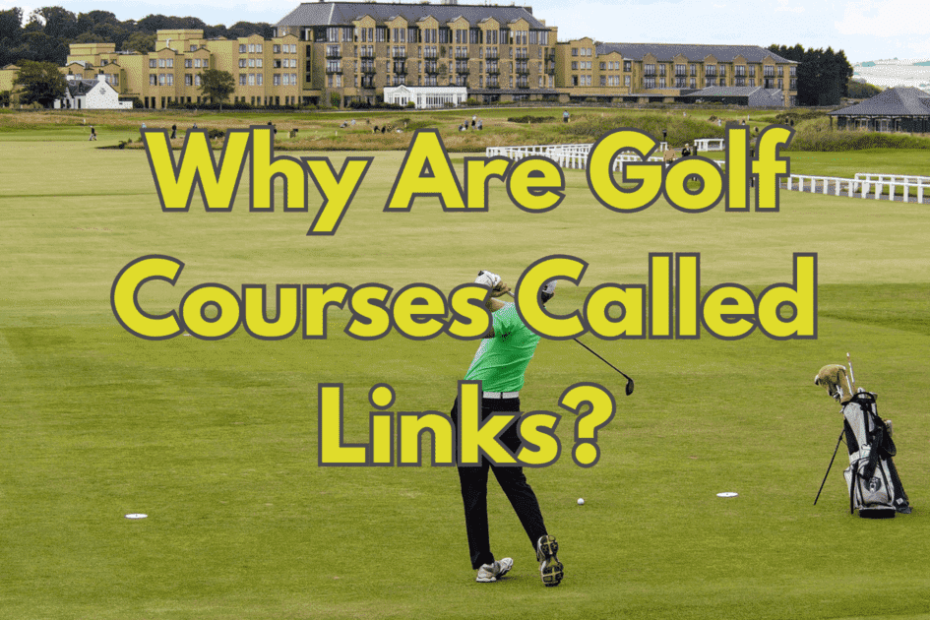
Why Are Golf Courses Called Links? Unique Golf Gears
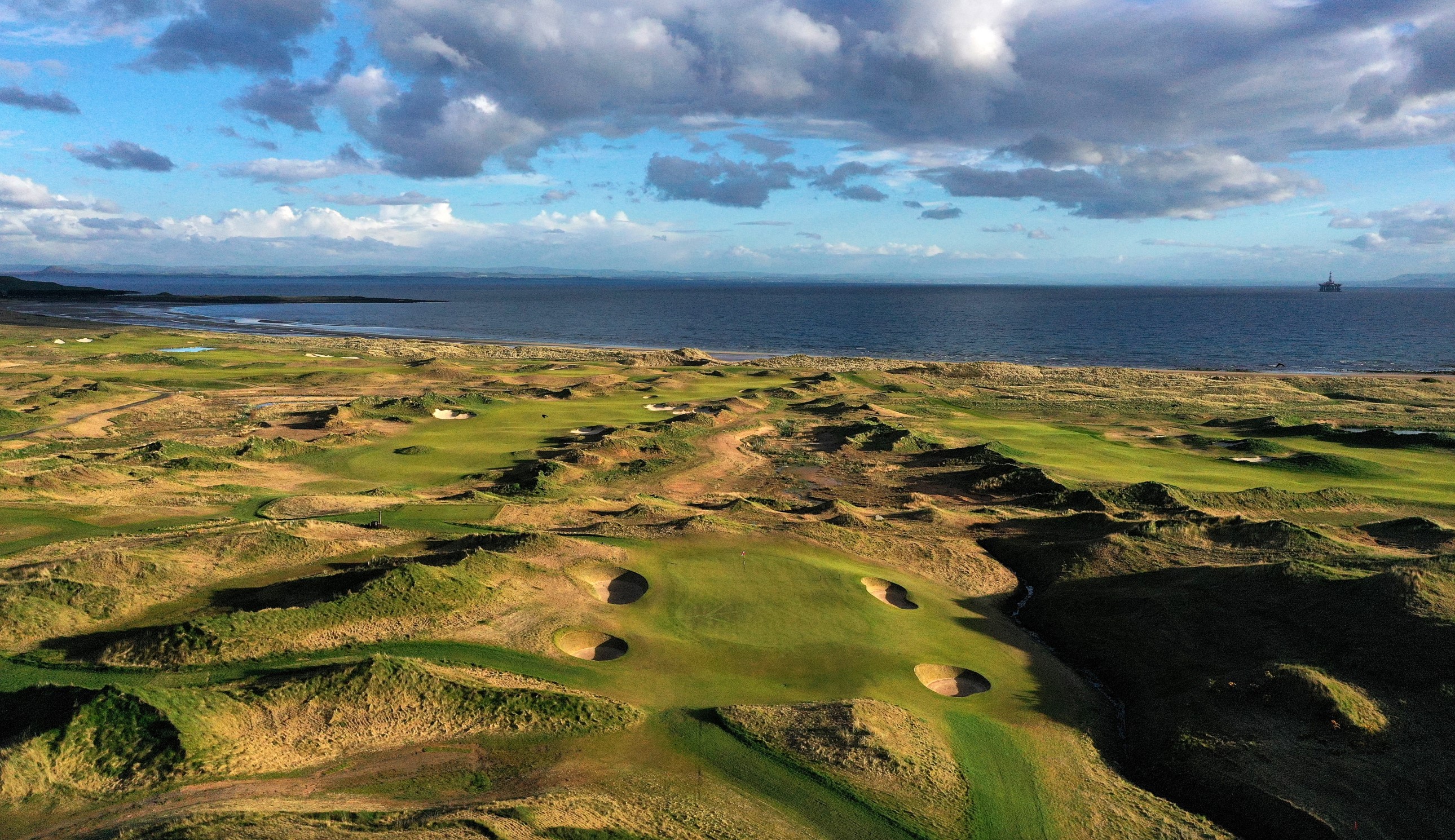
What Is A Links Golf Course? Golf Monthly Golf Monthly
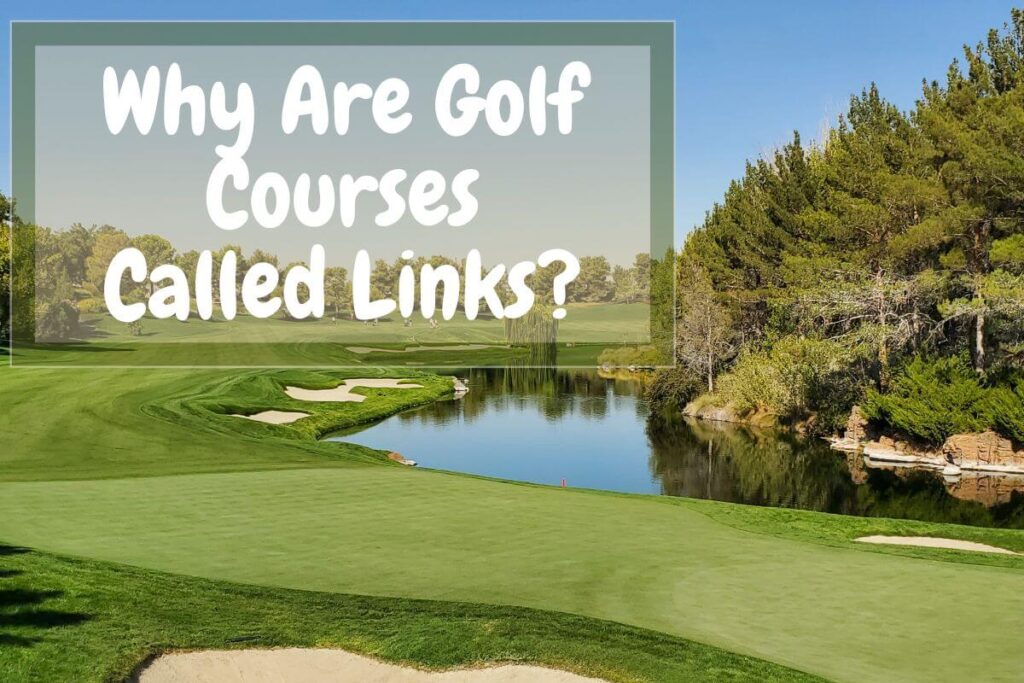
Why Are Golf Courses Called Links? Explained Flawless Golf
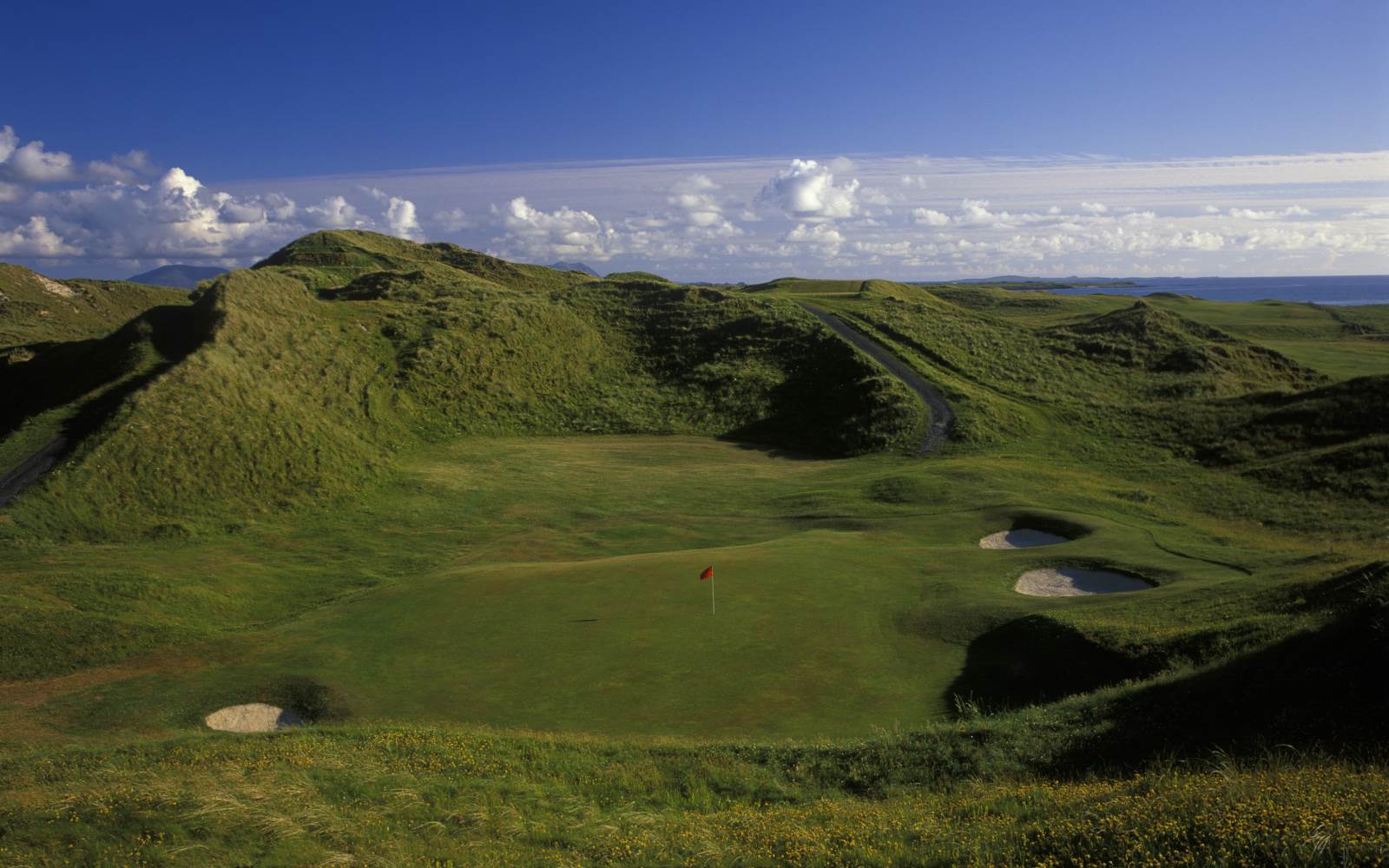
Why golf courses are called 'links' and where the term came from
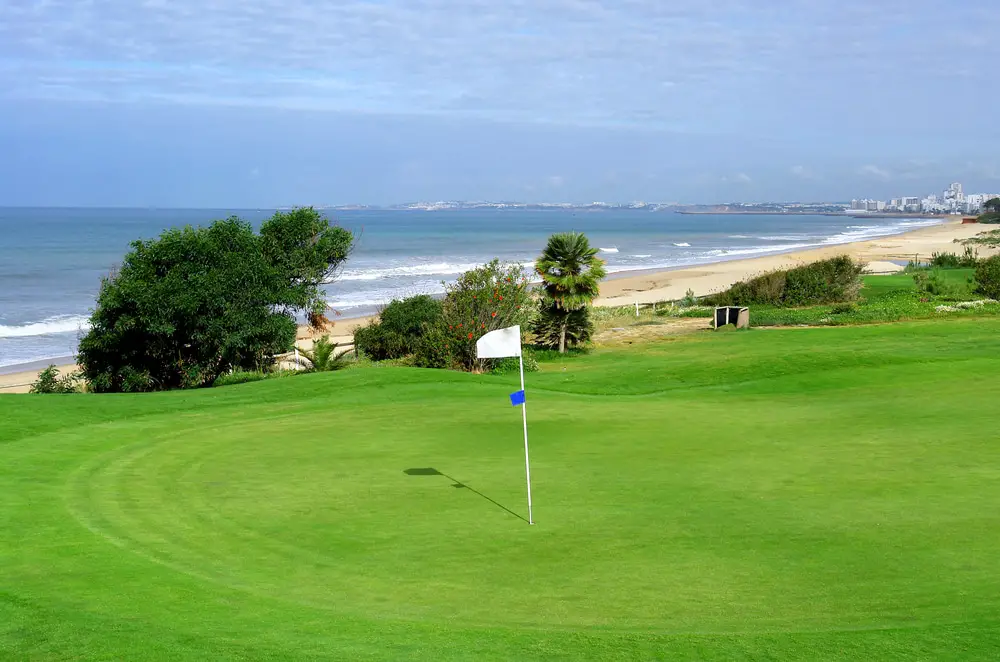
What Is a Links Golf Course? Get the Lowdown Here! Champ Golf
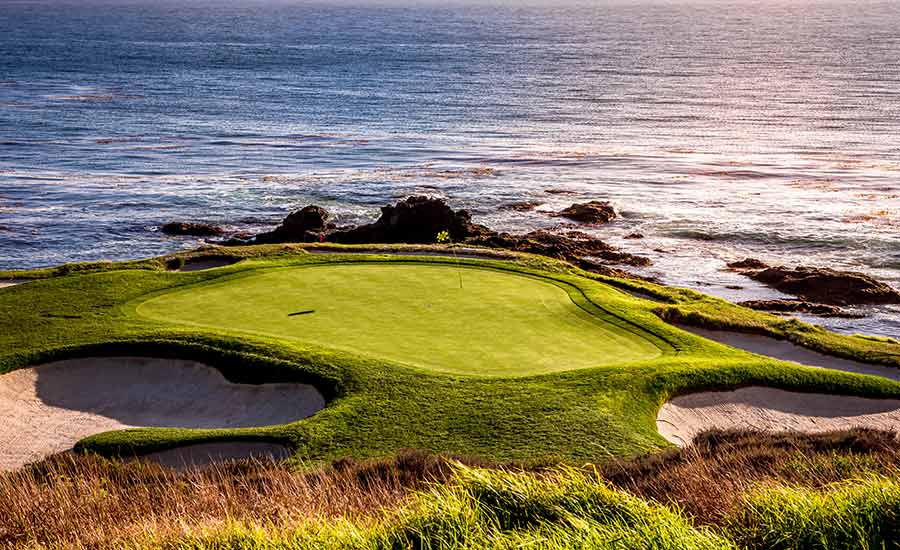
What is a Links Golf Course? Characteristics & Gameplay
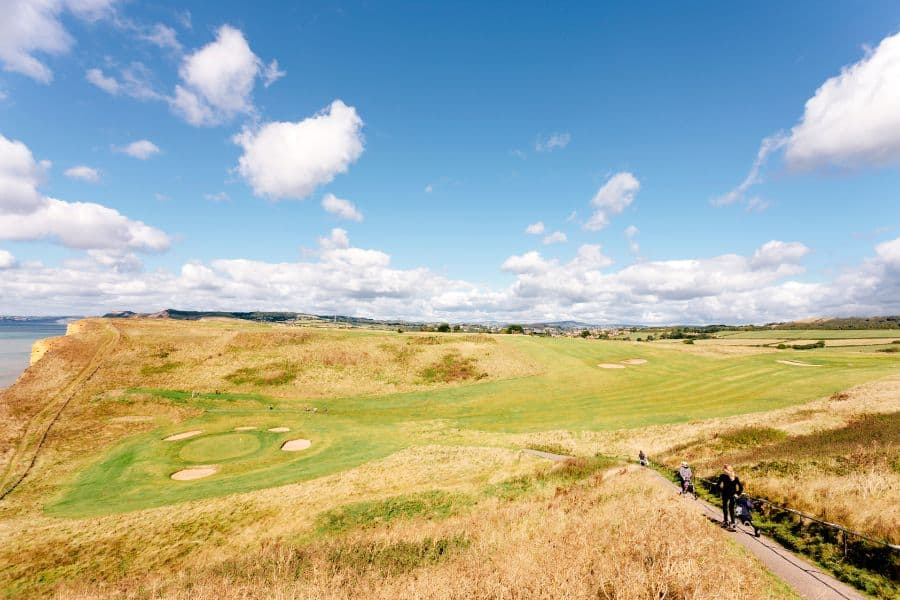
What Is A Links Golf Course? Definition, Origin, And Types

Unlocking A Mystery What Is A Links Golf Course? Explained!

What Is A Links Golf Course? Birdieman Golf
These Courses Usually Have Sandy Soil, Natural Hills, And Few Trees.
A Links Golf Course Is A Type Of Golf Course Built On Sandy Soil Near The Coast.
The Answer Lies In The Rich History And Geographical Features That Shape These Distinctive Golfing.
It Represents A Connection Between The Coastal Sand Dunes And The.
Related Post: